
Biden announces steps to drive clean cars and trucks
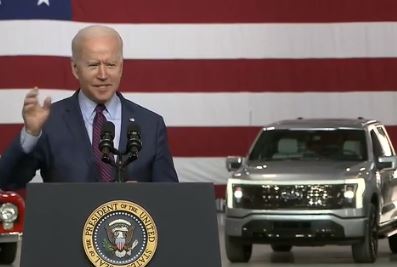
A new target to make half of all new vehicles sold in the US in 2030 zero-emissions has been set by president Joe Biden.
By doing so, Biden aims to have the US lead on EVs around the world while tackling the climate crisis and outcompeting China.
The new set of actions outlined by The White House in the newly signed executive order includes battery electric (BEV), plug-in hybrid electric (PHEV), or fuel cell electric vehicles (FCEVs), the order also starting development of long-term fuel efficiency and emissions standards.
The Environmental Protection Agency (EPA) and US Department of Transportation (USDOT) are advancing smart fuel efficiency and emissions standards to deliver around US$140 billion in net benefits over the life of the program, save about 200 billion gallons of gasoline, and reduce around two billion metric tons of carbon pollution.
These may apply from at least model year 2030 for light-duty vehicles and for medium and heavy-duty vehicles starting as early as model year 2027.
For the average US consumer, this means net benefits of up to US$900 over the life of the vehicle in fuel savings.
“These new actions – paired with the investments in the president’s Build Back Better Agenda – will strengthen American leadership in clean cars and trucks by accelerating innovation and manufacturing in the auto sector, bolstering the auto sector domestic supply chain, and growing auto jobs with good pay and benefits,” the White House says, adding that American automakers Ford, General Motors, and Stellantis and the United Auto Workers (UAW), support it.
“The global market is shifting to electric vehicles and tapping their potential to save families money, lower pollution, and make the air we breathe cleaner,” the White House says.
But in spite of pioneering the technology, it explains the US is behind in the race to manufacture these vehicles and their batteries.
“Today, the US market share of electric vehicle sales is only one-third that of the Chinese electric vehicle market.
“The president believes it is time for the US to lead in electric vehicle manufacturing, infrastructure, and innovation, by investing in installing the first national network of EV charging stations, delivering point-of-sale consumer incentives to spur US manufacturing and union jobs, financing the retooling and expansion of the full domestic manufacturing supply chain, and innovating the next generation of clean technologies to maintain a competitive edge.
The US Department of Commerce recently announced US$3 billion in currently available American Rescue Plan funds that can be used to advance the US EV industry in communities that have historically been the backbone of its auto industry.
The report notes battery pack costs dropped by 85%, paving the way to sticker price parity with gasoline-powered vehicles, while the average EV range increased dramatically as charging times shortened.
Electric models available to US consumers have expanded to more than 40 last year – and growing, it says.
The executive order directs US agencies to engage with California and other states leading the way in reducing vehicle emissions, and more.
The announcements are expected to put the US on track to reduce greenhouse gas emissions from new passenger vehicle sales by more than 60% in 2030 compared to vehicles sold last year and facilitate achieving the president’s goal of 50-52% net economy-wide greenhouse gas emission reductions below 2005 levels in 2030.



Join the conversation