
ABB and Singer Electric to deliver maritime MW charging system for Auckland Transport
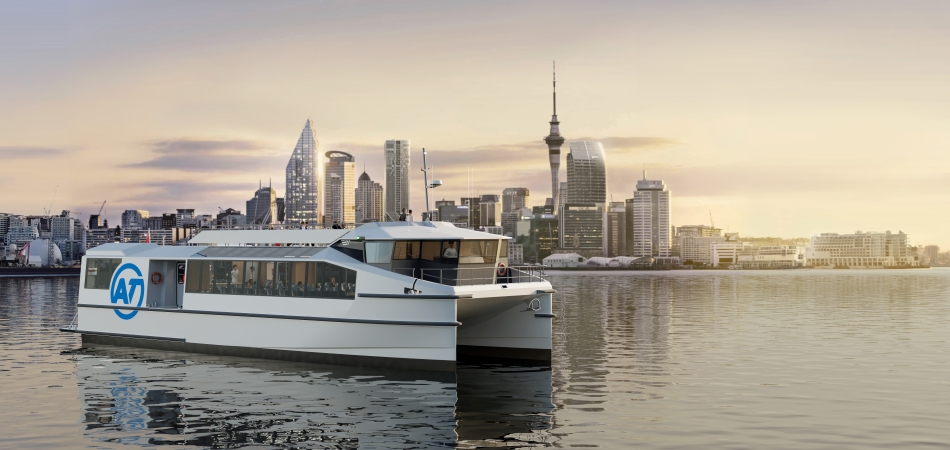
Singer Electric and ABB have partnered to deliver the maritime industry’s first megawatt (MW) charging system to support Auckland Transport’s coming all-electric and hybrid-electric ferries.
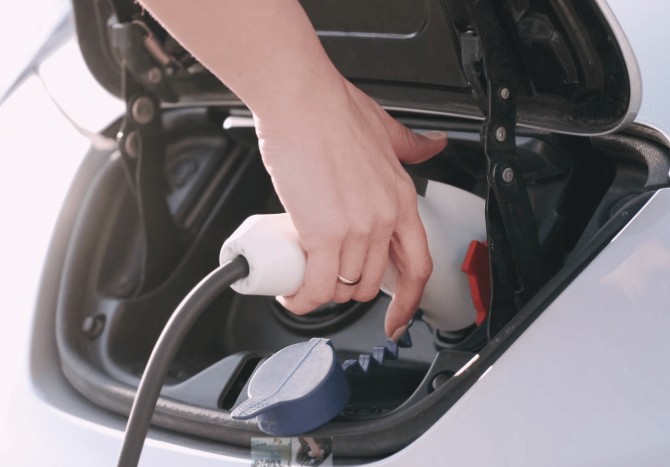
The shore-to-ship charging system uses an interface common to trucking and aviation and is expected to lower market barriers to entry for electric ships.
Working with ABB, Auckland Transport (AT) will become the world’s first urban transport provider to use the same chargers for its ferries and buses.
Singer Electric says it will install 10 complete E-Haus charging points for Auckland ferries by the end of 2025.
The highly adaptable system megawatt charging system is expected to improve electric vessel competitiveness against fossil-fuelled counterparts.
While Auckland’s ferries carry only 6% of public transport users, they use around 13 million litres of diesel annually and make up 20% of public transport emissions.
AT believes that ferry electrification powered by locally generated electricity will help reduce fuel consumption by about 1.5 million litres annually – avoiding about 4000 metric tons of CO2 emissions.
As part of its Mission Electric programme, AT has already ordered two 200-seat electric ferries and two 300-passenger hybrid-electric ferries.
AT is expected to become the largest electric ferry fleet operator in the Southern Hemisphere by 2030.
The commitment requires the fast-track creation of ferry recharging infrastructure.
ABB’s local channel partner Singer Electric will deliver, engineer and install 10 complete power systems by the end of 2025 to connect the grid to megawatt charging system (MCS) plugs at two apiece at the Half Moon Bay Ferry Terminal, the Hobsonville Point Ferry Terminal, and Piers 2, 4 and 5 of the Downtown Ferry Terminal.
Each system will feature a two by 1.65MW charger consisting of a transformer, ACS880 converters, MCS plugs and cable management on the ferry pontoons.
Arranged in pairs, the chargers will deliver more than 3MW of DC power each to sustain the short turnarounds and high-power demands needed during a ferry call.
The connectors will be handled by crew during passenger turnarounds and requiring no support from a robot arm or other machinery. Subject to funding, infrastructure may be needed at up to nine Auckland ferry locations by 2030.
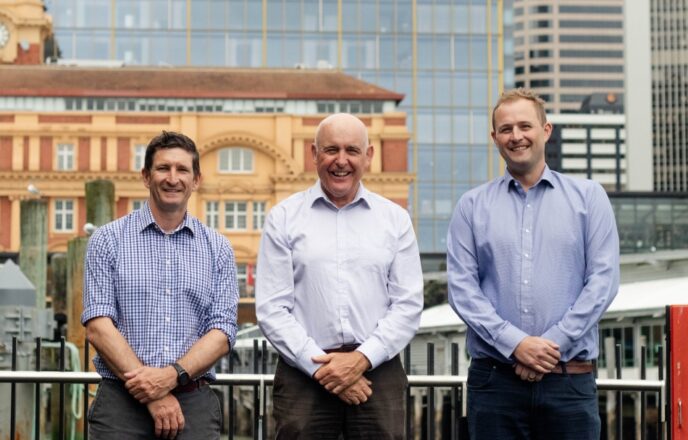
“It is incredibly exciting to lead the way with modern, low-emission public transport,” says AT programme director Nathan Cammock.
“Our new ferries will bring greater passenger capacity, improved accessibility and a more consistent customer experience,” he says.
“They will also rely on the charging infrastructure to deliver on these capabilities.”
Cammock says each ferry will charge for five to 10 minutes during passenger boardings, “meaning we can minimise the size of the marine batteries and allow high vessel utilisation without long charging periods”.
The Auckland installation will also be the first MCS supplied by ABB, although the group has been delivering shore-to-ship power for more than 20 years since an initial contract with Princess Cruises in Alaska.
The solution will also be similar to ABB’s landmark project to support 10 all-electric ferries for public transportation provider Transtejo Soflusa in Lisbon, Portugal.
Also New Zealand’s first fully electric, high speed passenger ferry Ika Rere in Wellington utilises an ABB lower-power charging solution for EVs.
“ABB’s proven experience in delivering robust and high-performance ship charging solutions and their willingness to embrace the megawatt charging system were major considerations in AT’s choice,” says AT chief engineer Murray Burt.
“Ferries connect communities and have a significant impact on the environment,” says ABB marine and ports ferries global segment manager Palemia Field.
“Electrification is crucial and we must move away from emissions-generating technologies.
“Noise-free and emission-free operations benefit both the broader and local communities, while passengers onboard enjoy improved travel comfort thanks to less vibration.”
As global ferry fleet electrification increases, Field says ABB expects more operators to opt for a standardised interface that is familiar from other industries.
“Securing the AT ferry ship-to-shore charging solution with our global partner ABB is a significant step for Singer Electric in our quest to decarbonise buildings and transport in New Zealand,” says Singer Electric managing director Jeff McLaren.
He says the project is at the leading edge of charging technology and will pave the way for other megawatt charging applications in New Zealand.
Singer Electric pricing and engineering head Peter Allington says the project was two years in the making.
“It’s exciting to help deliver world-leading technology within the emerging space of vehicle electrification,” he says, adding it’s a cornerstone project for New Zealand where a larger CO2 emitter is reducing that through smart, sustainable electrification.
Electric ferry orders made up 37% of the maritime battery capacity deliveries between 2019 and 2022, research published by IDTechEx shows.
A 2023 forecast from Spherical Insights suggests the market for all types of electric ships will double in value by 2030 over a 2021 baseline, to surpass US$10.5 billion.

Join the conversation