
Australian EV road user charge suggested
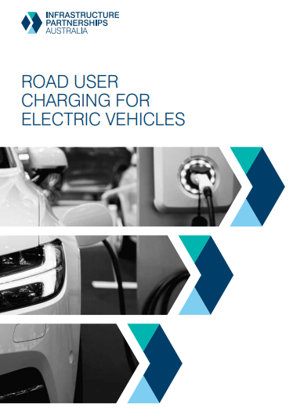
The increasing number of electric vehicles on Australian roads has brought a call for EV owners to pay a road user charge to ensure funding continues for roads.
But the Electric Vehicle Council says the call in a report from Infrastructure Partnerships Australia should be rejected, as applying an extra tax on EVs would “make Australia a global laughing stock”.
“With electric vehicles set to become a dealership mainstay over the next decade, fuel excise revenue will simply fall off a cliff, meaning less money to pay for transport investment,” Infrastructure Partnerships Australia says.
Its chief executive officer Adrian Dwyer says introducing a road user charge (RUC) for electric vehicles “represents a win-win for infrastructure users and taxpayers. But there is a catch – reform must be delivered soon”.
Dwyer says the timing is perfect as Australia has passed a cluster of elections, meaning governments have “a unique window to engage communities on the need for reform, and to get it done”.

Adrian Dwyer
“Fuel excise is in terminal decline, while the total number of vehicle kilometres travelled is only growing. This trend started many years ago as vehicles became more fuel-efficient and is set to fall off a cliff as a wave of electrification hits.”
He says the fuel tax is increasingly unsustainable, and unfair for many users.
“(It) will very quickly become untenable as those who cannot afford an electric vehicle must foot a growing road bill for those who can.”
He believes the technology timing is right too. “Once there is an electric car in every street, the opportunity will be lost.
“While fuel excise is a federal charge, and there are benefits to nationally led-reform, states and territories have an opportunity to jump ahead. There is a large first mover advantage in claiming an ongoing revenue stream that is stable, reliable, and immune to inflation or economic downturns.
“We look forward to working closely with governments, industry and the community to make it work.”
Applying a simple distance-based charge to electric vehicles will ensure every motorist makes a fair and sustainable contribution to the use of the roads, the report reasons.

Behyad Jafari
However, Electric Vehicle Council chief executive officer Behyad Jafari says the vast potential of EVs to improve the nation’s air quality, energy security, and carbon output means it’s “time to stop recycling the foolish idea of an additional tax”.
“Imposing an additional tax on EVs would disincentivise uptake, especially for the emerging mid-tier market,” he says.
“Although this economically illiterate report somehow managed to claim otherwise, sticking a tax on things discourages purchase.
“This report also completely ignores the hazardous effect of our dependence on foreign oil, both to our national security and balance of trade.”
Jafari points out the rest of the world has introduced fuel efficiency standards and incentives for EVs, but Australia has none.
“These recommendations would make Australia conspicuous as the only nation to tax EV use rather than incentivise it.”
Jafari says while the in the long-term there may be a need for government to collect additional revenue to replace fuel excise intake, “the idea that the logical way to make up this shortfall is to disincentivise the take-up of zero-emission vehicles with a new tax at this early stage is truly muddleheaded”.
New Zealand considered applying RUC to EVs as well but extended a RUC exemption on light EVs until December 31, 2021.
A RUC exemption for heavy EVS applies in New Zealand until they make up 2% of the heavy vehicle fleet.

Join the conversation