
Australia’s popular vehicle brands’ progress to zero emissions
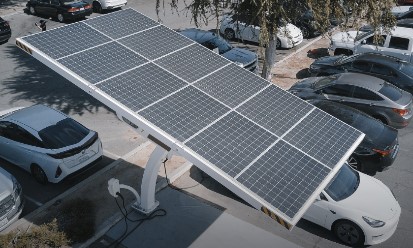
New analysis shows major vehicle manufacturers popular in Australia are starting to get serious about zero emissions.
The Climate Council’s newly released Race to Zero Ranking shows some manufacturers are quickly moving towards electrifying their fleets, with major brands mapping out a pathway to sell just zero emission vehicles by the mid-2030s or earlier.
“We’re calling on the Federal Government to get real and set fuel efficiency standards that results in 100% of new vehicles sold in Australia being zero emissions as soon as possible,” says the council.
“Fuel efficiency standards limit how much pollution a car manufacturer’s new models can release before they hit the market. Companies are fined if they fail to adhere to this limit.
“These standards already cover 80% of the global car market, but Australia remains stuck at the starting line when it comes to implementing them. Why are Australians still paying for expensive, petrol-guzzling cars that hurt household budgets, our health, and the environment?”
The Climate Council ranking rates the top three, in order, as Polestar, Tesla and Volvo.
It then lists Ford (fourth), Volkswagen (fifth), Mazda (sixth), Hyundai (seventh), Kia (eighth), Honda (ninth), Nissan and Mitsubishi (10th), Toyota (11th) and Isuzu (12th).
The council says these brands were chosen due to their status as Australia’s top selling car makers.
Climate Council advocacy head Dr Jennifer Rayner says Australians want cheaper and cleaner transport options.
“Australia needs policies that lean into this momentum, not policies that put the brakes on so a few lagging companies can catch up.
“Many major manufacturers know that all-electric is the way to go. Implementing strong fuel efficiency standards would ensure 100% of new vehicles sold be zero emissions by the middle of next decade,” she explains.
“The manufacturers who are lagging behind and refusing to embrace an all-electric future are making the conscious choice to remain in the polluting past and risk being lapped by the competition. These heel-draggers shouldn’t be setting the pace for our national transport policies.”
Climate councillor, energy expert and former BP Australasia president Greg Bourne says: “Personal transport is Australia’s fastest growing source of greenhouse gas emissions and our second biggest source of climate pollution.
“Without increasing the accessibility of EVs and dumping our reliance on petrol and diesel cars, Australia will face roadblocks on its national commitment to zero emissions across the board.
“The vehicle industry must do its bit towards Australia’s new target of cutting emissions by at least 43% by 2030.”
Fuel efficiency standards aim to limit the greenhouse gas (CO₂) emissions produced by cars, utes and other vehicles.
They do this by setting a maximum average level of CO₂ emissions allowed across a manufacturer’s new vehicle offerings, with financial penalties applying where this average is exceeded.
Fuel efficiency standards incentivise vehicle makers to supply low and zero emissions vehicles by penalising them financially if they fail to do so. The CO₂ limit can be progressively reduced over time, so vehicle manufacturers have to produce increasingly efficient vehicles and/or lift the share of zero emission vehicles they produce.
In international markets where fuel efficiency standards have already been put in place this has had the effect of dramatically increasing EV supply while driving down their price, the council adds.
Submissions for the Federal Government’s National Electric Vehicle Strategy have closed, and a discussion paper outlining its current stance on fuel efficiency standards is available here (see from P10).
Join the conversation