
Big spend on London power grids to allow for EV taxis
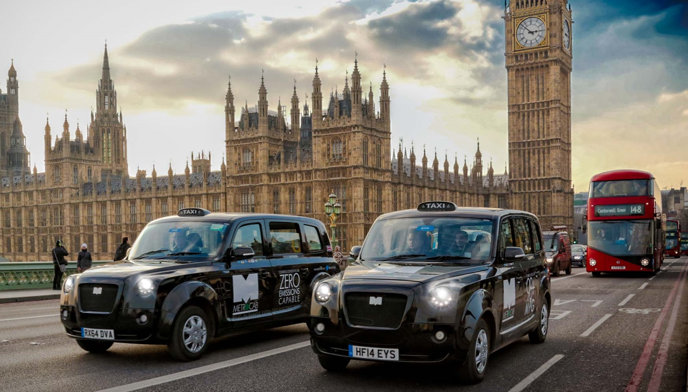
London’s electric black taxis will get a charge from the city’s power grids.
From January 2018, all new black cabs must be capable of zero-emissions driving for at least 30 miles (48km), with hybrids allowed only a petrol engine (not diesel) as well.
To charge them, Transport for London (TfL) is spending £18 million (about NZ$34m) on upgrading the capital’s power grids, allowing power companies to install 300 fast-charging stations by 2020, The Guardian reports.

It’s part of TfL’s effort to reduce diesel engine pollution.
The money will pay for network reinforcements to enable British Gas owner Centrica and other energy companies to install the stations.
The charging point can top up a car’s battery within minutes, rather than the hours it takes for the city’s thousands of conventional electric vehicles.
An initial 75 fast chargers are due to be operational by the end of the year. While some of the sites will be exclusively for black cabs, the network will also be open to the increasing number of owners of Tesla, Nissan Leaf and electric BMW cars in London.
“An extensive, rapid charging network is fundamental in helping drivers make the shift from fossil fuels to electric,” TfL surface strategy and planning director Ben Plowden says.
The cost of installing the chargers will fall on the companies that won a TfL tender: Centrica, Bluepoint London, Chargemaster, Ireland’s Electricity Supply Board and Fastned from the Netherlands, The Guardian
says.
Pricing isn’t yet known, but the main existing network in the capital, Source London, would cost a Leaf driver £10.80 (NZ$20.34) to fully top up with a rapid charger, plus a £4 (NZ$7.53) monthly fee. TfL says the cost to drivers will be capped for the first two years.
The Licensed Taxi Drivers’ Association expects the first electric black cabs from a Coventry factory on London’s roads in September.



Join the conversation