
Cobalt tracing for EV batteries to ensure responsible sourcing

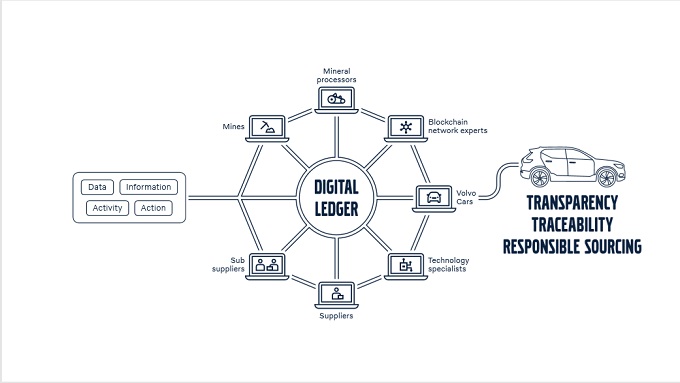
Volvo Cars will become the first carmaker to implement global traceability of cobalt used in its batteries by applying blockchain technology.
The announcement follows the reveal of the company’s first fully electric car, the XC40 Recharge.
Traceability of raw materials used in the production of lithium-ion batteries, such as cobalt, is one of the main sustainability challenges faced by carmakers, it says.
Volvo Cars aims to reassure customers driving electrified Volvos that battery materials have been sourced responsibly.
Blockchain technology establishes a transparent and reliable shared data network which significantly boosts transparency of the raw material supply chain as the information about the material’s origin cannot be changed undetected.
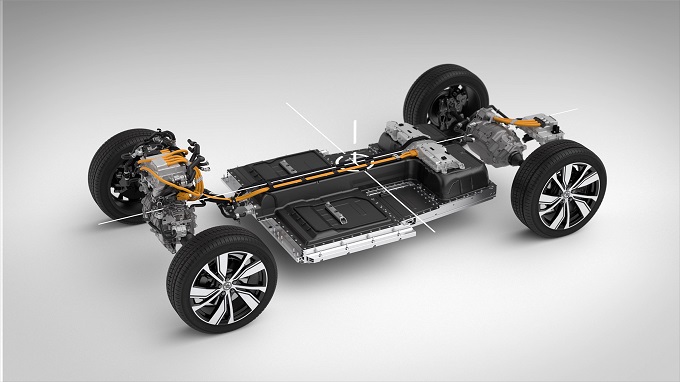
Volvo Cars has agreed with its two global battery suppliers, CATL of China and LG Chem of South Korea, and leading global blockchain technology firms to implement cobalt traceability starting this year.
“We have always been committed to an ethical supply chain for our raw materials,” Volvo Cars procurement head Martina Buchhauser says.
“With blockchain technology, we can take the next step towards ensuring full traceability of our supply chain and minimising any related risks, in close collaboration with our suppliers.”
In this particular case, data in the blockchain include the cobalt’s origin, attributes such as weight and size, the chain of custody and information establishing that participants’ behaviour is consistent with OECD supply chain guidelines.
By 2025, Volvo expects half of its global sales to consist of fully electric cars, with the rest hybrids.
It also launched an ambitious climate plan, which includes a radical reduction of carbon emissions by 40% per vehicle by 2025, as well as a continued commitment to ethical business across its entire operations and supply chain.
The agreements between Volvo Cars, CATL and LG Chem cover the supply of batteries over the coming decade for next-generation Volvo and Polestar models.
Ethical cobalt sourcing has been raised following concerns about child labour and other human rights issues related to cobalt mining in the Democratic Republic of Congo, reported to have nearly 50% of the world’s cobalt reserves.
The Cobalt Institute promotes sustainable and responsible production and use of cobalt and the Responsible Raw Materials Initiative (RRMI) has also been working on the cobalt mining issue.

Join the conversation