
Mobility marketplace trial for Queenstown
This story first appeared in the July issue of EVTalk – CLICK HERE to download the magazine FREE
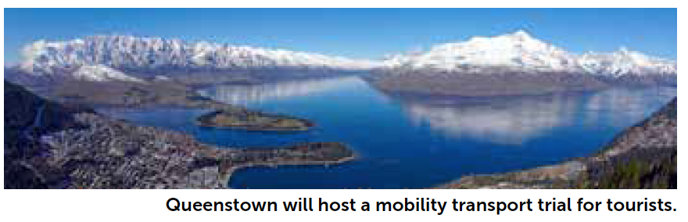
A mobility marketplace pilot has collaboration from the NZ Transport Agency, regional tourism organisation Destination Queenstown, Otago Regional Council and the Queenstown Lakes District Council.
It offers tourists coming to Queenstown access to easy, real time transport options they can trust, providing alternatives to driving a car themselves.

The scoping and business plan for the collaborative project began in January 2017, with the pilot’s app launching in early August and running until the end of the ski season, NZTA connected journeys solutions director Martin McMullan says.
The pilot will launch a real time platform which will act as a marketplace with a user facing app that tourists can download on their IOS or Android mobile device.
“NZTA is providing the infrastructure for the other parties to build this mobility as a service app for the end users,” says McMullan.
“While Queenstown will be the initial test bed during the busy winter ski season for the mobility service app, there are plans to take the learnings from this pilot and apply them to another project in Auckland later in 2017,” he says.
One of the programme’s objectives is to relieve some of the traffic congestion in and around Queenstown, enhanced by the influx of a million or so tourists each year.
Giving people the choice of readily found, easily used transport options all in one place to get to ski fields and other destinations means transport modes like local bus services, ski shuttles, taxis, electric bikes, ride-share, water taxis, and even Heli-ski services all become very accessible options
for visitors.
Personalised journey planning for more than 40 key tourism destinations will initially be available in the mobility app, with a journey planning function to support it.
“We’ll take the learnings and infrastructure from Queenstown for the Auckland pilot later in 2017 which will target increasing vehicle occupancy in and around the airport terminals,” says McMullan.



Join the conversation