
Driverless vehicles have the green light in South Australia.
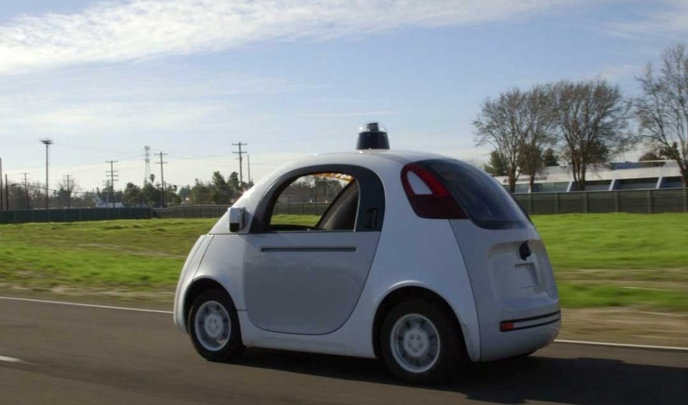
In an Australian first, driverless trials are under way following the introduction of laws allowing them on roads.
In June 2016, the South Australian Parliament enacted the Motor Vehicles (Trials of Automotive Technologies) Amendment Bill 2016.
This legislation provides a framework to facilitate on-road trials, testing and development of driverless vehicles and other advanced automotive technology on South Australian roads.
The South Australian Government is providing a $10 million Future Mobility Lab Fund over three years to such projects.
Applications closed on December 16, with 42 seeking grants worth more than $26m.
As a result, driverless vehicles are now set to replace some passenger shuttle and cargo transfer services.
The government says it’s supporting seven driverless trial programs, including those servicing the Tonsley Innovation Precinct on the former Mitsubishi manufacturing property, Adelaide Airport and Flinders University.
A $2.8m trial of a driverless shuttle service will transfer people between Adelaide Airport’s terminal and long-term carpark. It gets $1m for three electric shuttles.
Autonomous cargo pods for the Tonsley precinct sees driverless car supplier RDM Group get $1m for that trial, with the aim of developing a market-ready driverless delivery pod within a year.
Driverless shuttles for Flinders students get $1m, the university collaborating with the Royal Automobile Association of South Australia on a three-year, $4m project.
While the vehicle will at first transfer students around the Tonsley campus, it is planned to extend the service to the Bedford Park campus and nearby transport hubs.
South Australia Transport and Infrastructure Minister Stephen Mullighan says the government is aiming for a share of an industry predicted to be worth $90m globally by 2030.



Join the conversation