
EECA gains carbon zero status

Greenhouse gas emissions have been cut by a third since 2007 at the Energy Efficiency and Conservation Authority (EECA) and it is now offsetting the difference.
That’s allowed it to become a certified carbon zero organisation.
EECA’s role in promoting energy efficiency and opportunities to reduce emissions means “we need to walk the talk and show how we’re doing it by being clean and clever energy users”, chief executive Andrew Caseley says.
It has been measuring and reporting its emissions through the Certified Emissions Measurement and Reduction Scheme (CEMARS) run by Toitu (formerly Enviromark) for 12 years.
EECA’s carbon footprint for 2018/19 was 247 tonnes of carbon dioxide equivalent (CO2e), a reduction of 35% since 2007. This has been achieved mainly through transport usage.
Emissions from plane and car travel by EECA staff has reduced by 31% in that time.
“Transport has been challenging because we have staff who need to travel as part of their work, for example, to visit large energy-using businesses around the country,” Caseley says.
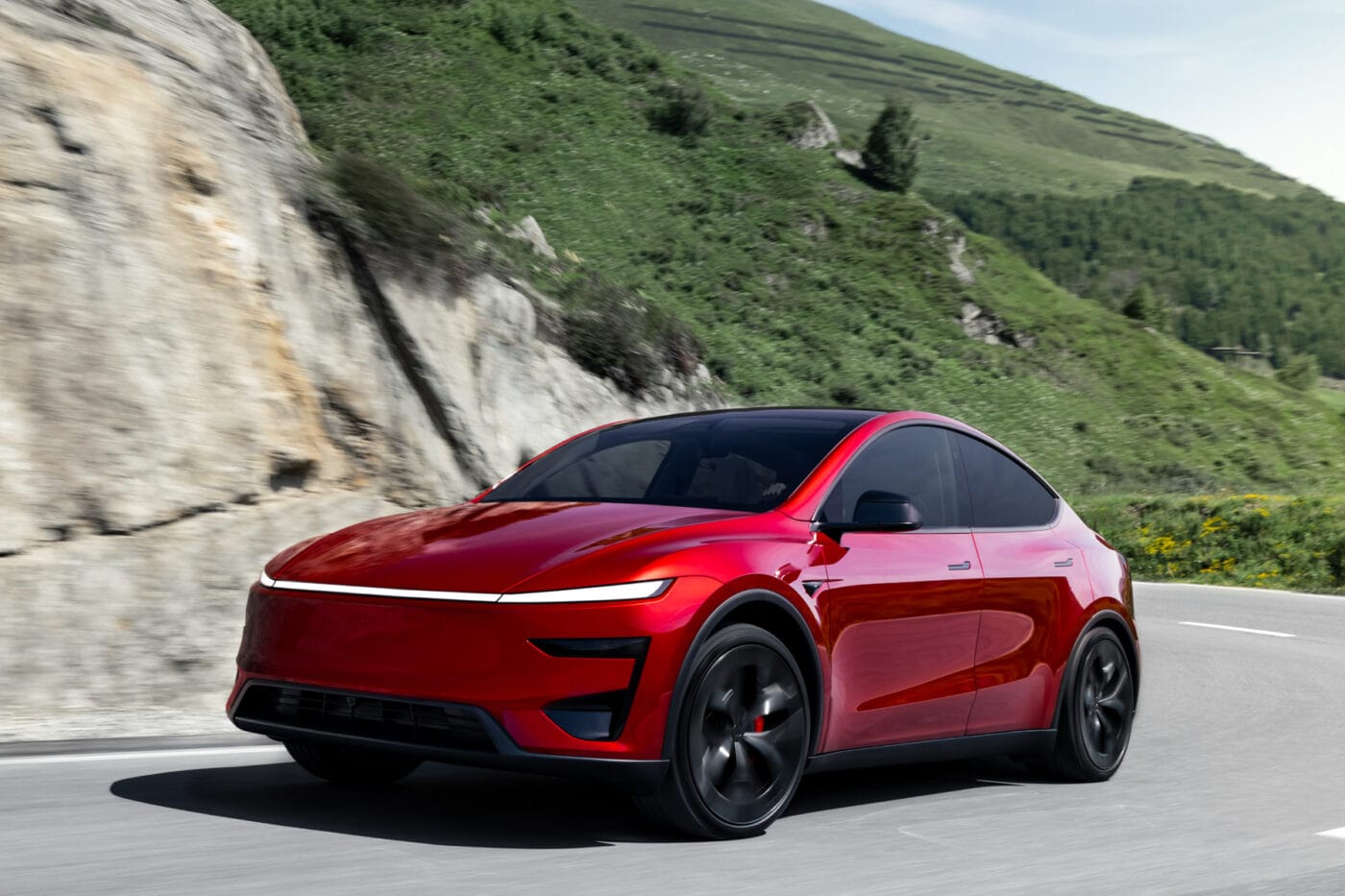
“We’re embracing the use of EV car share schemes and rental cars so our Auckland office is now exclusively using EVs.
“We’ve worked hard to reduce travel by doing video meetings whenever we can, and when we can’t, we’re offsetting emissions by buying emissions credits.”
Caseley says EECA’s Auckland, Wellington and Christchurch offices all hold excellent energy savings credentials of either four or 4.5 out of six stars through the NABERSNZ scheme.
In addition, the Auckland office’s electricity has for the last two years been supplied by a retailer that offsets emissions, at no extra cost to EECA.
“Understanding and measuring where your emissions are coming from is a critical first step in figuring out what needs to change, and knowing exactly what you can achieve,” Caseley says.
EECA is a member of the Climate Leaders Coalition, whose organisations are taking voluntary action on climate change.


Join the conversation