
Electric mobility ramping up this year
This story first appeared in the January issue of EVtalk – CLICK HERE to download the magazine FREE
The Ion Age is upon us with EVs now inevitable and the future looking battery powered.
“We’re moving from EVs being a niche for EVangelists to their inevitability,” says David Vinsen, who is in an ideal position to see New Zealand’s transport trends.
The Imported Motor Vehicle Industry Association (VIA) chief executive is also Intelligent Transport Systems New Zealand (ITS NZ) chairman and a member of the Government’s Electric Vehicle Programme Leadership Group.
In such roles he has an overview of how the different parts work together on connected e-mobility so can see the overall trends.
Vinsen says EVs in New Zealand will see “more of the same but ramping up” with increased public awareness around them.
Incentives for EV uptake are also expected to come soon from the Government as the country nears 12,000 EVs on our roads and moves closer to the goal of 64,000 EVs by the end of 2021.

“There will be pockets of push back based on ignorance or lack of understanding,” Vinsen says, although he expects more people will show interest in EVs.
Improving EV infrastructure, more training and greater understanding of the benefits EVs bring will continue, Vinsen believes.
“Other things will come into play too, such as mobility as a service (MaaS – such as ride sharing) which is accelerating the change.
“There will be a lot more all things electric rather than just privately owned EVs.”
Electric modes of transport like e-scooters, e-bikes, Segways and even e-skateboards are changing personal mobility, Vinsen says.
“EVs are a subset of the overall changes in transport modes.
“I think that Lime electric scooter hire has made it socially acceptable for adults to ride scooters, for instance,” he says, using the service himself.
Vinsen says a wider variety of EVs are coming – many with more options, longer range and cheaper, although not necessarily all will make it to New Zealand.
“We’re too small a market, but they will come inevitably.”
As global markets gobble up the EVs becoming available, Vinsen expects some supply constraints here but believes this will balance out eventually.
Overseas media also forecasts greater EV uptake globally and the likelihood of services such as rideshare and advances in autonomous vehicles (AVs) meaning fewer people will privately own vehicles.
Fisker Automotive electric car maker founder Henrik Fisker told The Guardian that the second generation of battery electric vehicles (BEVs) is just starting with affordability and good range the main features.
“I see the market starting to boom around 2020 or 2021, as there is more choice ,” Fisker says.
He also considers ultrafast charging as vital to helping EVs go mainstream, some new chargers already able to offer EV charging within minutes.
EV growth isn’t just limited to cars with demand for electric buses and trucks rapidly increasing, especially as cities world-wide move towards reducing emissions to help combat climate change and improve public health.
London already has a growing number of electric buses, including some hydrogen powered ones.
Electric aircraft and electric ferries are already under development, with e-ferries especially expected to be available in New Zealand from near the end of this year.
Genuine Vehicle Imports general manager Hayden Johnston says 2019 has begun positively for the group (which includes GVI Electric) after a challenging past year which included the stink bug issue and associated disruptions.
He foresees more challenges this year with margins being squeeze and smaller dealers in the regions struggling to compete with volume operations.
“It will also be interesting to see what this government does around EV subsidies and putting further limitations on imports.”
Jeremy Waldron of Hopmans QEII cars in Christchurch which stocks Nissan Leafs and Toyota hybrids says EV and hybrid sales remain steady.
He notes sales in both surged when fuel prices increased last year to around $2.
50 a litre.
Car share programmes like the all-electric Yoogo Share and PHEV-based Mevo have expansion in mind this year, while e-bike and e-scooter sales remain buoyant.
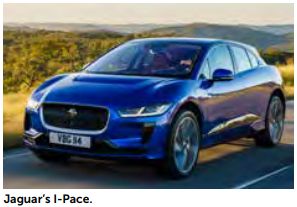
For EVs in 2019, New Zealand gets the all-electric Jaguar I-Pace, the new Nissan Leaf, the Audi e-tron, probably the Mercedes-Benz EQC, the Kia Nero and possibly the Tesla Model 3.
Updated versions of other brands and models are also expected and include electrified or hybrid ones

Join the conversation