
Electric trains remain
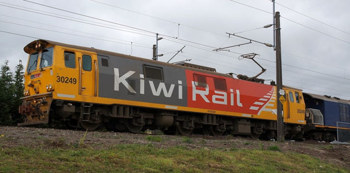
Electric locomotives will be kept on the North Island main trunk line by the Government.
The 15 electric trains will be refurbished by KiwiRail and will continue to run between Hamilton and Palmerston North.
The refurbishment of the trains and electric control system is funded with an additional $35 million over four years. This is additional to the $4 billion for public transport and rail under the National Land Transport Programme.
Refurbishing these trains in New Zealand is looking to the future of our environment and economy, deputy prime minister Winston Peters says.
“We’re making the right decision for the long term,” he says. “Replacing electric locomotives with diesel would be a step backwards.
“By refurbishing these locomotives here, we’re creating jobs in KiwiRail’s Hutt Workshop and supporting our local rail industry. It just makes sense.”
Transport minister Phil Twyford says this decision supports the Government’s wider $4 billion package in public transport, rapid transit and rail.
“Rail connects regions with the cities and helps create a more modern, sustainable transport network. Keeping the electric trains shows that we are continuing to invest in the future,” he says.
Acting associate transport minister James Shaw says New Zealand can’t move to a zero-carbon future by moving away from clean energy.
“Choosing to invest in clean, electric transport is essential to meeting the challenge of climate change.
“Keeping the electric trains on-track is the right thing to do for the future of rail, particularly as we investigate options for further electrification of the network and the role of hydrogen-fuelled trains,” he says.
The Government is working with KiwiRail, including through the Future of Rail project, to consider how environmental objectives can be supported through investment in rail.
The project will assess the effectiveness of New Zealand’s rail operations and identify the role it can play in supporting urban development and the growth of New Zealand’s freight and tourism sectors.
Earlier plans to go back to diesel locomotives caused controversy and that idea has been effectively scrapped.



Join the conversation