
End of the road for petrol tax – Infrastructure NZ
It’s time to look at other ways to fund transport projects other than petrol tax increases, Infrastructure New Zealand chief executive Stephen Selwood says.
And he believes the faster the uptake of electric vehicles, the sooner road pricing will be necessary.
Selwood says the days of petrol tax increases are coming to an end as they “have now been exhausted and there is little public support to go further”.
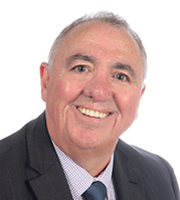
Stephen Selwood.
Other options include users pay through tolls and public transport fares.
Development levies charged on new homes to pay for the supporting infrastructure is one example, Selwood says.
Ways to fund transport infrastructure are limited, although there are many methods to finance investment, including through loans, bonds and public-private partnerships, he says.
“Regardless of the form of finance, debt must be repaid from some combination of taxes, charges, value capture or asset sales.
“While general taxes which have driven the Government’s $5.5 billion surplus can and should be directed into infrastructure, it is time we looked much more seriously at more efficient alternatives.
“Comprehensive, dynamic road tolling needs a clear path to implementation. The faster the uptake on electric vehicles, the sooner road pricing will become necessary. The public needs to know when and understand why road pricing is required,” Selwood says.
“Those who benefit from increased property values should also pay their share. The shift to compact, public transport-oriented development has enriched many property owners and pushed the less wealthy to the periphery of cities where they are more car dependent and more exposed to road taxes.
“The Auckland Council chief economist has recently estimated that rapid transit has increased property prices near central Auckland stations by up to 20% – that’s $200,000 of value on a million-dollar home transferred to a lucky property owner but paid for by all ratepayers and motorists.
“It seems fair that these beneficiaries share the cost in some way.
“Asset sales are the final option. All city councils across New Zealand own assets. Many of those assets are providing little return when the funds could be better invested in new infrastructure to support growth. Public opposition would reduce if the benefits are obvious for all to see.
“A simple ballot can be used to depoliticise this debate, offering residents the choice between retaining ownership of an existing asset or investing in a better alternative.
“We need to stop strangling growth by underinvesting in infrastructure,” Selwood says.
“People will pay if they experience the benefit, but we need to give them the choice.”


Join the conversation