
EV incentives on the way
This story first appeared in the february issue of Evtalk – CLICK HERE to download the magazine FREE
A range of incentives encouraging electric vehicle uptake is expected soon from the New Zealand Government.
While there’s little doubt about that, just what form those incentives will take remains unknown.
Associate transport minister Julie Anne Genter has recently said Cabinet will consider new incentives early this year, while climate change minister James Shaw has been suggesting since last September that “decent” EV incentives are on the way.
Shaw says the Government’s aim is to have a package that incentivises middle-class people to make the switch to EVs but also ensures low income families aren’t left behind.
Genter recognises extra measures are needed for Kiwis to have access to affordable low emission vehicles.
Speculation includes a possible “feebate” scheme where EVs attract financial incentives such as rebates while importing new and used high emissions vehicles face fees.
The scheme was recommended by the Productivity Commission last year in a report on the drive towards a low emissions economy.
It suggested the Government continue to provide funding for some EV infrastructure projects, fill gaps in the charging network where commercially unviable for the private sector; raise awareness and promote uptake of low-emissions vehicles through leadership in procurement; and require imported new and used fossil-fuel vehicles to meet fleet-wide emissions standards.
 The commission has also warned that New Zealand risks becoming a dumping ground for polluting vehicles other countries don’t want, as the nation is among the few developed countries without vehicle emission standards.
Transport is New Zealand’s second largest source of greenhouse gas (GHG) emissions, contributing nearly 20% of gross emissions (and about one third of long-lived GHG emissions), the report says.
“New Zealand’s transport system is dominated by private road transport.
Compared to other developed countries, vehicle ownership rates are high, public transport use is low, and the vehicle fleet is old with poor fuel economy.
“Rapid population growth and a decline in prices for fossil-fuel vehicles have caused the vehicle fleet to greatly expand.
New Zealand’s transport emissions have risen more than any other emissions source since 1990.”
Adoption of EVs represents the most significant opportunity to reduce transport emissions in New Zealand, the commission notes.
However, upfront cost and range remain a barrier for many, according to the commission, although a variety of cheaper models with bigger range are becoming available.
The Government should pursue a mix of policies that provides even-handed support for new technologies, the commission says.
The pressure is on for the Government to front up with something, as EV advocacy group Drive Electric wants the Government to more clearly signal its EV intentions.
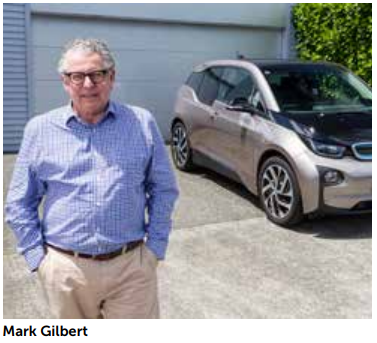
There’s little hope of reaching the goal of 64,000 EVs by 2021 set by the previous government without some additional political will, Drive Electric chairman Mark Gilbert says.
“We’ve got to get clear insights of what the policy incentives are going to be, and when they will be applied.”
Importers like GVI’s Hayden Johnston caution that the Government should announce and introduce any EV incentives in one go, rather than announcing moves for implementation at a later date, delaying introduction for three months for example.
“Otherwise everyone is likely to stop buying EVs until the incentives are in force.”
Other measures are being taken by the Government to help.
It launched a $100 million Green Fund late last year to help businesses reduce emissions under a new entity Green Investment Finance Ltd.
Early this year the Government confirmed it aims to switch its fleet to zero emissions by 2026.
So, there’s a strong possibility EV incentives and national emission standards could be released around the same time.

Join the conversation