
EVs likely winners in UK budget
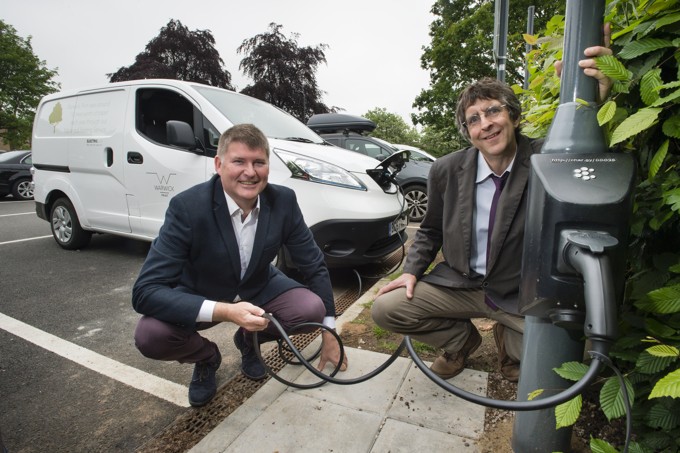
Moves encouraging EV uptake are expected in the United Kingdom’s 2020 budget announced on March 11.
Predictions include removal of long-running freezes on fuel duty, among plans to adapt to stricter climate rules.
The uptake of low-emissions driving is a key pillar of the government’s plans for cutting carbon emissions to virtually zero by 2050 to end the UK’s contribution to the climate crisis, The Guardian reports.
It says British companies are likely to spend more than 12 billion pounds switching internal combustion engine (ICE) vehicles to electric during the next two years.
“A survey found that nearly half of UK businesses are planning to invest in chargeable cars and vans in advance of the government’s ban on sales of new internal combustion engine vehicles by 2035.
“The Treasury is expected to accelerate the trend in this week’s budget by signalling an end to a decade of freezes on fuel duty for millions of drivers, as part of plans to meet tougher climate laws.”
The Guardian says that while EV sales are climbing, they still accounted for only 2% of new car registrations last year.
More than two-thirds of companies said they were discouraged from investing in EVs by the cost of new cars and vans, and concerns over a spike in their energy bills, it adds.
Meanwhile, a call for the removal of value-added tax (VAT, aka GST in some countries) of about 20% on EVs in the UK budget has come from the Society of Motor Manufacturers and Traders (SMMT).
The society suggests the March 11 budget announce bold new measures to make new tech zero emission cars, including plug-in hybrids (PHEVs) and hydrogen fuel cell electrics (FCEVs), more affordable.
It adds that this year more than 23 new battery electric vehicles (BEVs) and 10 PHEVs will be added to the more than 65 already on sale there.
SMMT estimates Britain could have nearly a million new BEVs on the road between now and 2024, but says a comprehensive package of incentives needs to be implemented alongside substantial investment in charging infrastructure.

Join the conversation