
First BMW X3 PHEV in NZ soon
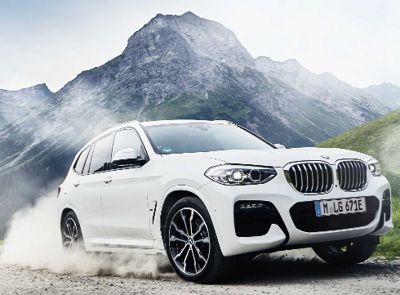 The first BMW X3 xDrive30e plug-in hybrid (PHEV) arrives in New Zealand in the second quarter of this year.
The X3 xDrive30e with a 55km electric range will become the seventh electrified vehicle offered by BMW New Zealand and is priced at $107,700 (recommended retail pricing including GST but excluding on-road costs).
It will have up to 215kW power output and 420Nm torque, a reduced fuel consumption (between 2.4 and 2.1L/100km) from the two-litre four-cylinder internal combustion engine, and accelerates from 0-100 km/h in 6.1 seconds.
BMW New Zealand also offers the i3 BEVs as part of a targeted strategy to offer a diverse portfolio of luxury vehicles with the widest variety of powertrains.
The arrival of the X3 xDrive30e highlights BMW Group New Zealand’s commitment to increasing its sustainability-focused product offering, New Zealand managing director Karol Abrasowicz-Madej says.
“BMW Group has the largest range of electrified vehicles in New Zealand and we plan to maintain this position by continuing to introduce new PHEV or EV models, such as the brilliant X3 xDrive30e.
“We like to give our customers the opportunity to select a vehicle fit for them, giving them the power of choice, whether it’s diesel, petrol, fully electric or in this case, plug-in hybrid. The advanced BMW PHEV system in the X3 xDrive30e is ideal for those who want to take the first step towards an electric future.”
At 450 litres, the luggage compartment volume of the new BMW X3 is slightly less than models powered by a conventional engine (550 litres).
Folding the rear seat can extend storage space to 1500 litres.
The high-voltage battery can be charged at conventional household sockets using the standard-equipment charging cable in less than six hours. At a BMW i Wallbox, the same charging process can be completed in around three and a half hours.
The charging socket is under a separate flap on the front left side wall of the car, the battery also used to supply the 12-volt vehicle electrical system.
Acoustic pedestrian detection is among advanced features.
Digital services support the driver in searching for and selecting public charging stations, enable the charging process to be controlled via remote functions and transmit information relating to charge status, electrical and combined range and individual energy consumption to the driver’s smartphone or other personal devices.

Join the conversation