
Low cost solar “skins” within reach

Australian researchers have clocked key durability tests for perovskite solar cells to overcome degradation issues in outdoor conditions preventing them becoming commercially available at low cost.
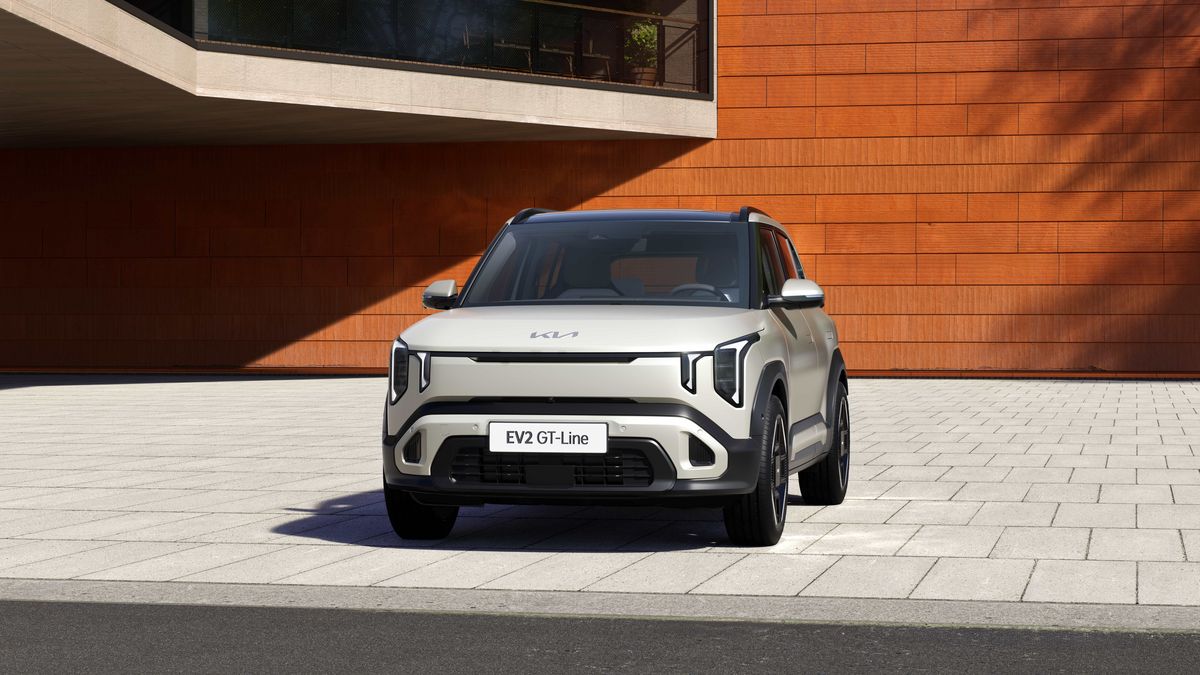
This means the next generation of solar technologies could be incorporated directly into materials, including EV exterior bodywork and building surfaces, forming what has been dubbed “solar skins”.
Sydney and New South Wales universities researchers have published results showing tests for real world long-term durability under International Electrotechnical Commission standard environmental testing conditions have been met to avoid the cells breaking down under heat and humidity.
Fourteen scientists led by professor Anita Ho-Baillie studied the outcome of encapsulating perovskite cells in a polymer-glass blanket allowing the cells to survive high heat and humidity longer than thought possible.
Perovskite solar cells can be up to 500 times thinner than silicon wafers, are extremely flexible and ultra-lightweight, and can be produced from easily available materials.
They also have huge energy enabling properties and high solar conversion rates.
“Not only did the cells pass the thermal cycling tests, they exceeded the demanding requirements of damp-heat and humidity-freeze tests as well,” Ho-Baillie says, adding they are a promising prospect for solar energy systems.
Perovskite solar cells also draw upon different parts of the light spectrum to those of conventional silicon cells, allowing perovskite and silicon solar cells to be “stacked” to convert more sunlight into electricity.
The work was led by Ho-Ballie who joined the University of Sydney Nano Institute this year and she remains an adjunct professor at the University of New South Wales.
The latest research was supported by the Australian Government through the Australian Renewable Energy Agency (ARENA).


Join the conversation