
Mercury back on track after dry hydro spell
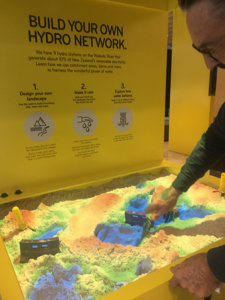
Mercury’s hydro-electricity generation has returned to normal after unusually dry conditions in the latter half of the 2018-19 financial year, according to its quarterly operational update for the three months ended June 30.
The electricity generating and retail company did not increase residential prices in FY2019, meaning home EV charging costs didn’t rise for Mercury customers.
The dry hydrological conditions in the Waikato catchment meant a 422gWh decrease from near-record levels in the prior comparable quarter but Mercury was able to finish the year strongly with peaking capability of the Waikato Hydro Scheme to benefit from spot price volatility and drawing on Lake Taupo hydro storage.
Mercury’s geothermal generation increased by 23gWh to 731gWh in the fourth quarter of the financial year.
The company says focus on value and existing customers resulted in reduced acquisition activity as retail margins narrowed with the continued rise in the electricity futures curve.
Mercury acquired about 4000 fewer customers in Q4-FY2019 compared to Q4-FY2018 with the proportion of Mercury brand customers acquired on discounted rates falling from 55% in Q4-FY2018 to 27% in Q4-FY2019. This contributed to customer numbers across all brands decreasing by 6000 across the quarter to 373,000.
The volume-weighted average price received for mass market sales in the current quarter was flat year-on-year at $128/mWh as Mercury did not increase residential prices in FY2019.
Market churn decreased from 21.1% as at March 31, 2019, to 20.5% as at June 30 with Mercury group churn also falling from 20.0% to 19.6% over the same period.
National demand decreased by 1.2% in Q4-FY2019 due to a decline in urban sector demand (-0.9%) and decreased dairy sector (-0.5%) demand, partially offset by increased industrial sector demand (+0.4%).



Join the conversation