
New drone regulations planned
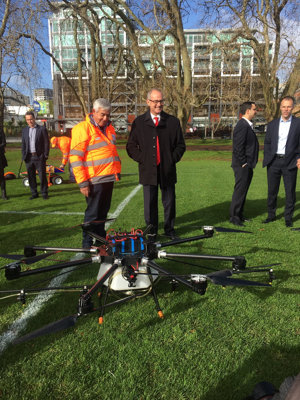
Mandatory licensing of all drone operators from small recreational ones to pilot-less aircraft transporting people and goods is proposed.
That’s suggested by transport minister Phil Twyford in releasing a discussion paper Taking Flight: an aviation system for the automated age, on July 17, with drones having potential to transform the transport system.
Compiled in consultation with various sectors and agencies involved in aviation and transport, the paper outlines the Government’s vision for how drones can be better integrated into the transport system.
Drones are estimated to be worth up to $7.9 billion to the economy, Twyford says.
He says drones will deliver economic benefits by doing tasks that are time intensive, expensive, and risky – such as inspecting power lines and helping with emergency operations.
He hopes to see the “first tranche” of updated drone regulations introduced within a year.
More than 77,000 drones are in use in New Zealand, and Twyford says the Government is aware of public privacy and safety concerns around them, something the new regulations are expected to address.
“Safety is our top transport priority and there are a number of initiatives already underway, including looking at potential updates to the rules for using drones.
“The Ministry of Transport is currently consulting on potential new powers for law enforcement agencies to seize or detain drones that are breaking the rules.”
Twyford expects the new regulations will include penalties for non-compliance.
“Drones have the potential in transport to move goods and people,” Twyford says, adding proper regulations will help bring benefits to businesses and many sectors.
“An example of the innovation that’s already underway is Zephyr Airworks, who have partnered with Air New Zealand to test and develop its self-piloted, electric air taxi here in New Zealand,” he adds.
He says the move will also help New Zealand to be at the forefront of drone technology, with some firms already exporting them globally.
Drone infrastructure is another area being studied, including landing pads such as those on city buildings.
Twyford sees a big opportunity for using drones to transport freight – particularly in a ‘last mile’ scenario, and especially where time sensitivity is involved such as moving medications.
Jokingly asked if the new regulations might increase the cost of a drone delivered pizza, for instance, Twyford says he doubts it because companies will still be competing on price.

Join the conversation