
Next-gen EVs to have nature soundtracks

The silence of electric vehicles could soon be replaced with a customised soundtrack inspired by nature.
International legislation requires new electric-powered vehicles to make some sort of noise while driving from 2021, so automotive designers are turning to the environment for inspiration.
“As we transition from internal combustion to battery-powered vehicles, the absence of engine noise presents a potential for risk road users – particularly those with vision impairments,” Volvo New Zealand general manager Coby Duggan says.
Research has found near-silent EVs are up to twice as likely to have a collision with a pedestrian, mostly as a result of difficulty in hearing them approaching.
“Pedestrians and cyclists often rely on their ability to hear a vehicle as it approaches and drivers will also adapt their driving to engine sounds such as over-revving, allowing them to keep their eyes focused on the road.
“European legislation will see the Acoustic Vehicle Alerting System (AVAS) become mandatory on new vehicles from mid next year to help ensure the safety of road users as we migrate to an electric power source.
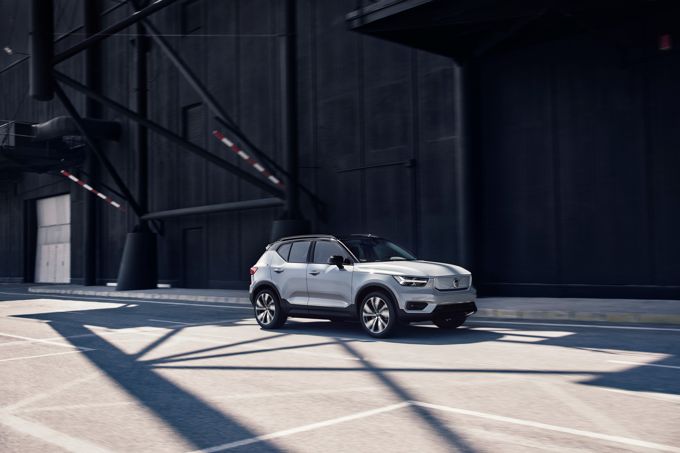
“A key element of acclimatising first time EV owners to their new vehicles will see the introduction of a range of ambient sound effects to the vehicle’s interior and exterior features,” Duggan says.
Volvo designers have previously researched the sound of hundreds of spruce and fir tree twigs snapping as the foundation for a distinctive turning signal sound, which is found in many of Volvo’s vehicles.
“Sound engineers snapped and recorded over 300 sticks in a Swedish forest before the right base sound was found for the source audio file.
“They then layered the sound and adjusted its pitch up and down to create the noise before slowing the timing between the clicks to a more calming rate of about 150 beats per minute to create the final sound that Volvo drivers hear when turning or changing lanes,” Duggan says.
A natural sound source will also be used for the AVAS system on Volvo’s upcoming EVs, however Duggan says New Zealand does not currently have any regulations covering the mandatory use of AVAS.

Join the conversation