
Reducing climate heat will add to electricity demand; report
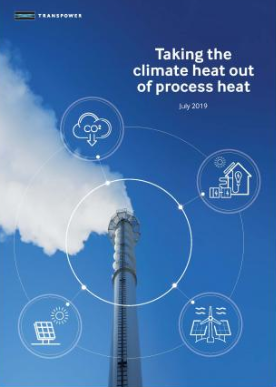
More electricity will be needed to help switch New Zealand’s process heat activities from coal and reduce greenhouse gas emissions.
That’s the message in a Transpower report ‘Taking the climate heat out of process heat’, which could have implications for electric vehicle charging.
“The Productivity Commission and the independent Climate Change Committee have both said transport and process heat are two key areas where emissions need to come down soonest and fastest,” climate minister James Shaw says.
Process heat made up 28% of all energy-related greenhouse gas emissions in 2017 and has increased by about 45% during the past 25 years.
Used throughout the economy – from milk powder and other food production, to heating schools and hospitals and sterilising equipment, to producing steel and aluminium – process heat relates to any activity that generates heat in order to warm spaces or to manufacture products.
The report notes that with New Zealand’s electricity already primarily generated from renewable sources, the two main areas left to electrify are transport and the application of process heat, including drying products by evaporating water.
“Many people will be surprised as to how significant process heat applications are to New Zealand’s overall carbon emissions profile. Process heat is New Zealand’s biggest user of the most carbon intensive fossil fuel – coal. Process heat applications consume 90% of New Zealand’s total annual coal demand,” the report says.
“Electrifying significant process heat applications will obviously require more electricity to be generated and then distributed via the transmission and local lines company networks. There will be implications and challenges for every element of the electricity sector, including for distribution assets in terms of capacity, forward investment and maximising network utilisation, and through using emerging technologies such as batteries.”
Transpower’s analysis matches last week’s decision by our biggest exporter, Fonterra, to put an immediate stop on building new coal-boilers and not to increase its capacity to burn coal from now on, Shaw says.
“And international dairy giant Danone announced it is investing $40 million to make its Balclutha milk powder plant carbon neutral.”
The report is part of an ongoing suite of analysis and reports comprising the Te Mauri Hiko work programme and follows analysis and subsequent papers on both solar and wind contributions to New Zealand’s energy future.
Earlier this year, with support from EECA through its technology demonstration programme, Synlait commissioned New Zealand’s first large-scale electrode boiler.
Synlait is New Zealand’s third largest dairy company and in June 2018 made a commitment not to install another coal-fired boiler at any of its sites. It also committed to reducing off-farm greenhouse gas emissions by 50% by 2028.
The company featured in EVtalk in November 2018.


Join the conversation