
Road pricing, ITS and public transport key to addressing congestion
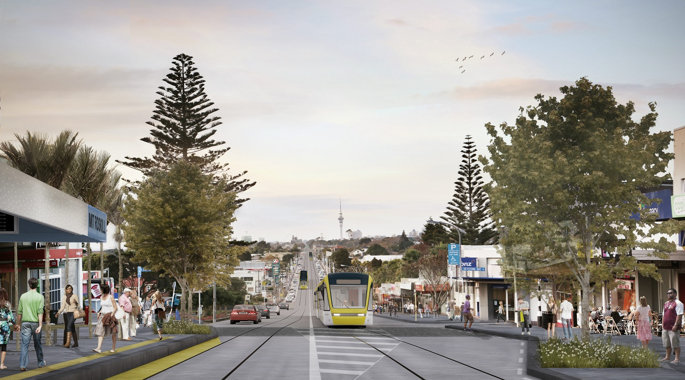
Road pricing, intelligent transport systems (ITS) and public transport investment are the top three areas to address congestion.
That’s the outcome of a Beca-sponsored poll of infrastructure leaders at the recent Infrastructure New Zealand Building Nations Symposium in Auckland.
More than 700 industry leaders attended the symposium -including transport and automotive industry representatives, the poll indicating growing confidence New Zealand can meet its infrastructure challenges.
But greater details need to be shared with industry and the community around plans to address Auckland’s infrastructure needs, polling found.
Delegates agree the existing Metropolitan Urban Limit (MUL) in Auckland has largely failed to promote a quality, compact, accessible city.
About 81% believe the MUL has had a zero to negative impact on congestion in the city, and 89% cite a zero to negative impact on housing affordability.
“All in all, the polling suggests some positive changes are being made which gives confidence to the infrastructure industry that we can get on top of the big issues nationally, but further efforts to address Auckland’s transport and housing needs are required,” Beca northern regional manager Rupert Hodson says.
Three-quarters of respondents felt New Zealand’s infrastructure situation will improve over the next five years.
“This high level of confidence reflects the Government’s shortly before the poll that it will move forward with an independent infrastructure entity,” Infrastructure NZ chief executive officer Stephen Selwood says.
The infrastructure body initiative was supported by almost 90% of respondents. Concerns over weak procurement capability across the sector and uncertainty over the long-term capital programme make the establishment of this new entity a high priority.
Significant sector concern remains about Auckland’s ability to meet its two biggest challenges – congestion and housing, Selwood says.
Three-quarters of respondents felt Auckland could not meet its transport and housing affordability needs under the current plan and almost four out of five felt that the $28 billion Auckland Transport Alignment Programme (ATAP) would not be sufficient to meet growth.
“Investment in light rail (electric trams) is a key component of ATAP and the results indicate that industry may need further information and engagement around the objectives and outcomes that light rail seeks to deliver,” Hodson says.
“Light rail can be immensely valuable in supporting urban regeneration and intensification outcomes and accelerating transport mode shift through these corridors, which can deliver long-term improvements in congestion, housing supply and affordability for Auckland.”
Around 90% of respondents thought light rail would have some degree of impact on improving congestion, but around half also thought it will make housing less affordable along the serviced corridors.



Join the conversation