
Rotten fish to fuel cruise ships
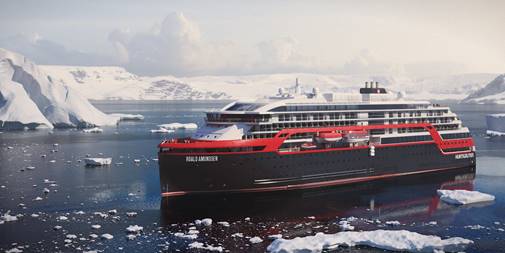 A byproduct of rotten fish will help power Norway cruise fleet operator Hurtigruten’s hybrid ships, which will also use electric batteries.
Six vessels will be retrofitted to run on a combination of liquefied natural gas (LNG), electric batteries and liquefied bio gas (LBG).
The company is investing seven billion crowns ($NZ1.169 billion) over three years to adapt its 17-strong fleet, Traveller reports.
“We are talking about an energy source (LBG) from organic waste, which would otherwise have gone up in the air. This is waste material from dead fish, from agriculture and forestry,” Hurtigruten chief executive Daniel Skjeldam told Reuters
.
“Our main aim is to improve and cut emissions.”
Hurtigruten, the world’s biggest expedition cruise operator to destinations including Antarctica, Svalbard and Greenland, is also ordering three new ships that will run on electricity, with a diesel engine only as back-up.
The shipping sector is facing tougher international regulations, including cuts in CO2 emissions by at least 50% by 2050 compared with 2008 levels, and a ban on fuels with sulphur content above 0.5% from 2020 against 3.5% now.
Hurtigruten wants to be carbon neutral by 2050.
Two of the electric battery-powered ships, costing above 150 million euros each, are already under construction, while Hurtigruten has a letter of intent for a third.
That will help Hurtigruten market itself as a green cruise company – especially useful given the vulnerable eco-systems its ships sail through.
“The changes in the Arctic over the past 20-30 years are not caused by carbon dioxide emissions in the Arctic, but you can see the effects of the emissions elsewhere in the world first in the Arctic,” Skjeldam says.
“Our crews have seen glaciers retreat and plastic waste on beaches where they land.”

Join the conversation