
Strong global EV sales continue
About 10.5 million new battery electric vehicles (BEVs) and plug-in hybrids (PHEVs) were delivered during 2022, up 55% compared to 2021.
So says EV-volumes.com which adds the regional growth pattern is shifting.
Following two years of steep sales increases in Europe, EVs gained only 15% over 2021 there, says EV-volumes, adding that weak overall vehicle markets and persistent component shortages have taken their toll, exacerbated by the war in Ukraine.
“EV sales in USA and Canada increased by 48% year-on-year, despite a weak overall light vehicle market which plunged by 8% during 2022 y/y.
“The second half of 2022 saw a cautious recovery of auto markets as numbers compared to the low results of 2021 H1. Global light vehicle sales for 2022, 81 million units, were still 0.5 % lower than in 2021 and 15 % below pre-2020 levels.”

EV-volumes says China new energy vehicle (NEV) sales defied all headwinds the country faced otherwise (real estate crisis, COVID outbreaks and lockdowns) and increased by another 82% year-on-year.
BYD more than tripled sales to 1.85 million units, making it first in the global sales ranking if BYD’s 944,500 PHEV sales are included, says EV-volumes.
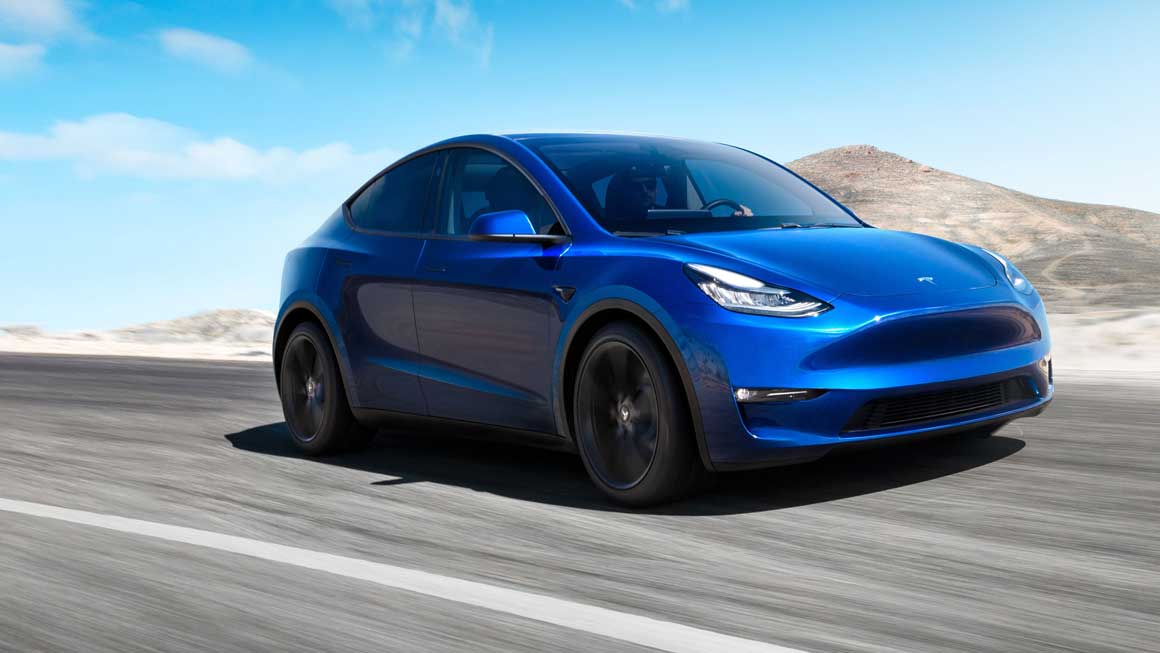
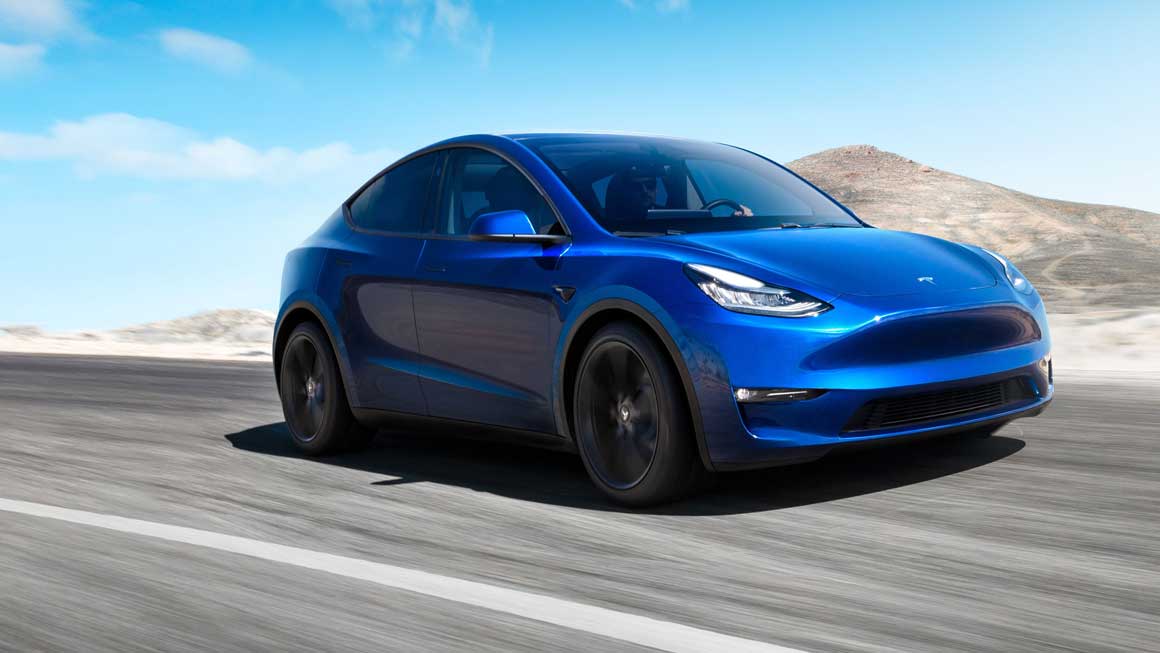
“Counting BEVs only, Tesla still leads by a wide margin with 1.31 million units delivered in 2022.”
PHEVs stood for 27% of global plug-in sales in 2022 compared to 29% in 2021.
“Sales growth is increasingly depending on the degree of electrification. While BEVs grew by 59% and PHEVs by 46%, non-chargeable full hybrids grew by 15% and mild hybrids by 1% y-o-y.
“Global sales of vehicles which can be charged from the grid (10.5m) were higher than for non-chargeable vehicles (8.4m) for the first time in 2022.
“ICE-only vehicle sales declined by 7%; their share in global light vehicle sales is 76.8%, compared to 82.2 % in 2021.”
Fuel cell electric vehicles (FCEV) remain irrelevant for the electrification of light vehicles, according to EV-volumes, adding their deliveries stagnated at 15,400 units in 2022, which is 0.02% of the global annual light vehicle volume.
Rapid EV adoption in weak auto markets has boosted EV shares further, says EV-volumes.
BEVs (9.5%) and PHEVs (3.5%) stood for 13% of global light vehicle sales in 2022, compared to 8.3% in 2021.
Norway had the highest market share of EVs in H1 (BEV 71% and PHEV 8%), China had 27%, Europe 20.8% and USA 7.2%. The fastest growing markets were Indonesia (from 1000 to 10,000), India with 223% to 50,000 – nearly all BEVs, New Zealand 151% to 23,000 for 20% market share.
EV supply and adoption is now spreading rapidly into the global south, says EV-volumes, which expects irregular EV sales and shares in several countries for Q1 of 2023.
“For the full year of 2023, we expect sales of 14.3 million EVs, a growth of 36% over 2022, with BEVs reaching eight million units and PHEVs 2.6 million units.
“By the end of 2023 we expect nearly 40 million EVs in operation, counting light vehicles, 73% are BEVs and 27% PHEVs.”
It notes that EVs are resilient to market declines.
Click here for more information, including OEM and model rankings and 2023 expectations.
Join the conversation