
Used EVs on the political agenda
Politicians from different parties don’t often agree on much.
But when it comes to the importance of electric vehicles in the used car market, they seem to have made an exception.
Transport minister Simon Bridges recently told AutoTalk National’s promise to make one third of the government fleet – or 5000 vehicles – electric by 2021 will make a difference in the used car market.
That’s because when those EVs exit the government fleet, they will get into the hands of private buyers, he says.
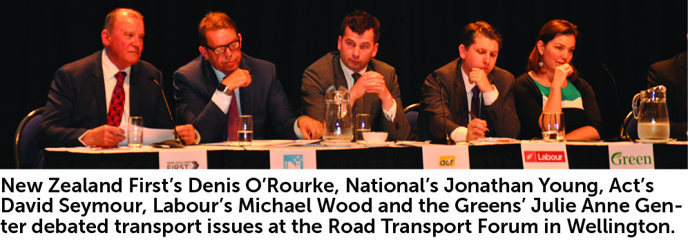
His colleague National MP Jonathan Young mirrored Bridges’ sentiments at the Road Transport Forum’s election summit in Wellington last month.
The Greens’ transport spokeswoman Julie Anne Genter also promoted boosting the number of new EVs on the road, which would eventually trickle down to the used car market.
But the party wants incentives introduced to help businesses switch from petrol or diesel to electric cars, she told the summit.
“If you remove fringe benefit tax off company cars, you create a second-hand EV market in three to five years.
“You’ve got to invest in infrastructure to give people certainty.”
New Zealand First transport spokesman Denis O’Rourke says it also favours “phasing out liquid fuels in favour of EVs”.
But he says his party would also expect a bigger commitment than 5000 EVs to be purchased by the Government, which in time would favour the private buyer.
“Most New Zealanders buy second-hand cars. If you give businesses a financial incentive to then that flows on to you and I.”
Labour’s Michael Wood pointed out that EVsmight be of more use in New Zealand than other places because the country produces 85% renewable energy.
“EVs aren’t the panacea. In Australia and the United States, EVs are powered by coal.”



Join the conversation