
Is 2021 the year of the EV?
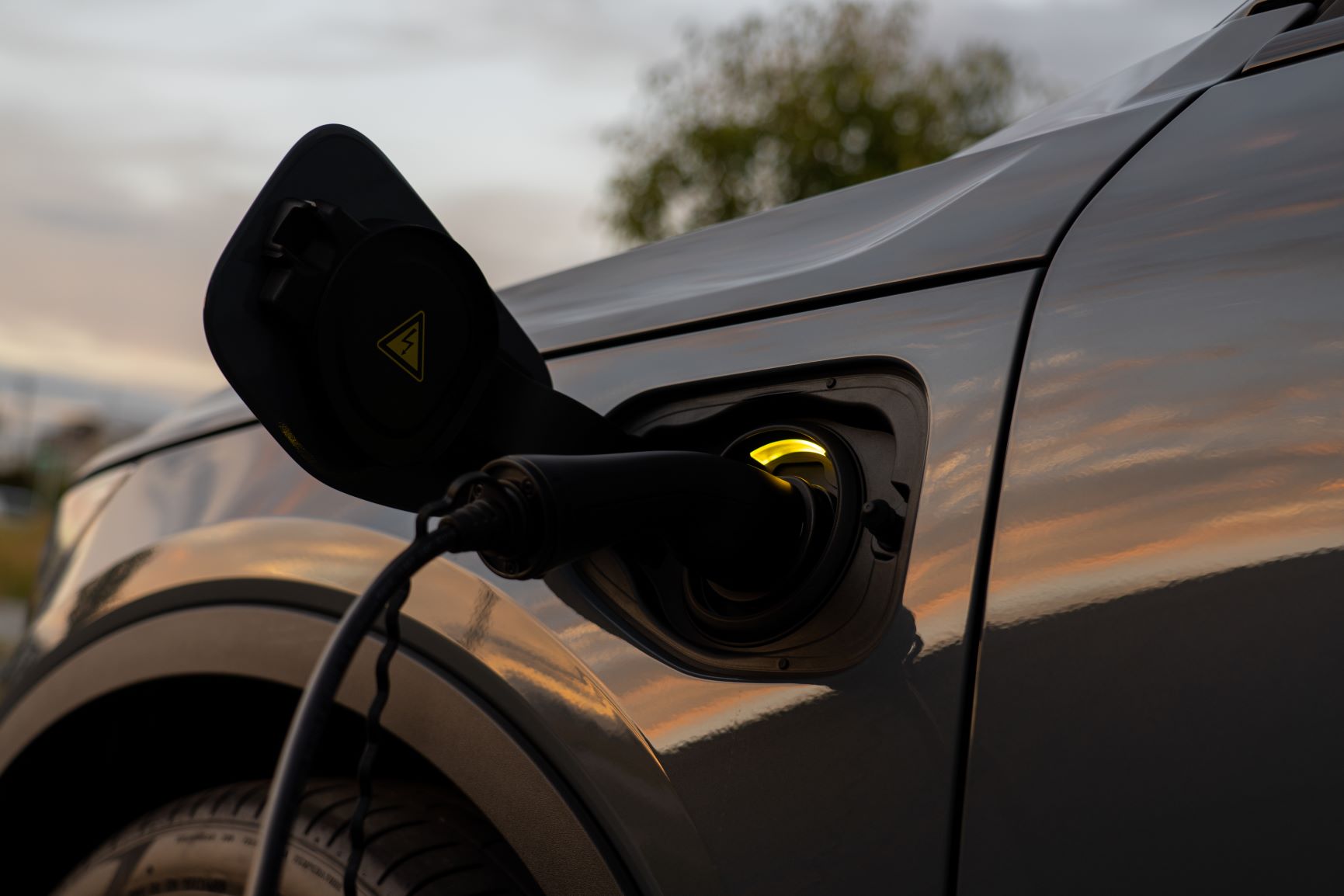
This year is pivotal for EVs.
That’s because automotive manufacturers are electrifying their line-ups and redefining their images while offering a greater EV selection amid rising consumer interest.
EV sales are poised to hit their highest level on record in 2021 for those reasons, experts at US-based car buying platform Edmunds say.
Edmunds data shows EV sales comprised 1.9% of retail sales in the US in 2020, its analysts expecting that to reach 2.5% this year.
“After years of speculation and empty promises, 2021 is actually shaping up to be a pivotal year for growth in the EV sector,” Edmunds’ insights executive director Jessica Caldwell says.
“We’re not only about to see a massive leap in the number of EVs available in the market; we’re also going to see a more diverse line-up of electric vehicles that better reflect current consumer preferences. And given that the new presidential administration has pledged its support for electrification, the US is likely to see incentive programs targeted at fostering the growth of this technology further.”
Edmunds analysts anticipate that 30 EVs from 21 brands will become available for sale this year – compared to 17 vehicles from 12 brands in 2020.
Notably, this will be the first year that these offerings represent all three major vehicle categories, they say.
Consumers will have the choice among 11 cars, 13 SUVs and six trucks in 2021, whereas only 10 cars and seven SUVs were available last year.
This diverse spread of EV offerings should help encourage stronger loyalty among EV owners, which has dwindled over the years as shoppers have gravitated toward larger vehicles. According to Edmunds data, 71% of EV owners who didn’t buy another EV traded in their vehicle for a truck or SUV in 2020, compared to 60% in 2019 and 34% in 2015.
“Americans have a love affair with trucks and SUVs, to the detriment of EVs, which have until recently been mostly passenger cars,” Caldwell says.
“Automakers should have a much better shot of recapturing some of the EV buyers who they’ve lost now that they can offer larger, more utilitarian electric vehicles.”
According to Google Trends data, consumer searches for electric trucks and SUVs have recently hit a high point after trending upward for years.
“Besides affordability, one of the biggest barriers to increased EV sales has simply been tepid consumer reception — it’s been tough for companies that aren’t Tesla to crack the code of how to get shoppers hyped up for these vehicles,” Caldwell says.
“But in the past year we’ve seen automakers throw huge advertising dollars behind their EV launches in an attempt to drum up some buzz, and it’s promising that consumers seem to at least be more aware of the options out there.”
Buying an EV is an entirely different beast than a traditional car purchase, so extra research and diligence are key, Edmunds’ insights senior manager Ivan Drury says.
“Range and weather conditions play a huge factor in determining whether certain EVs make sense for your everyday needs, and whether you own a home with a garage or rent an apartment could affect your charging situation.
Edmunds expects EVs available for sale this year to include the Atlis XT large truck, Audi e-tron midsize SUV and Sportback, BMW i3, Chevrolet Bolt EV and EUV, Ford Mustang Mach-E, Hercules Alpha large truck, Honda Clarity, Hyundai Ioniq Electric and Kona Electric, Kia Niro EV. Lordstown Motors Endurance large truck, Lucid Air, Mercedes-Benz EQC, Mini two-door sports car, Nissan Leaf and Ariya, Polestar 2, Porsche Taycan, Rivian R1S and R1T, Tesla Models 3, Y, S, X and Cybertruck, Volvo XC40 Recharge, VW ID.4, GMC Hummer, and more.
“Cost is still a factor and range anxiety will be partly addressed by education,” Stephanie Brinley, an industry expert at IHS Markit, told ABC News. “There’s no reason a consumer can’t adjust to an electric vehicle.”
Join the conversation