
California Cruise-in
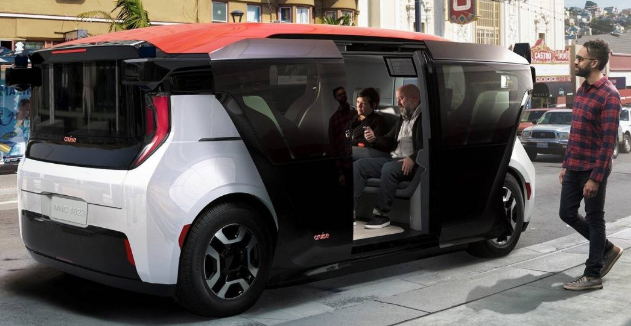
General Motors’ Cruise will participate in California’s first autonomous vehicle (AV) pilot to provide driverless ride services to the public.
The authorisation from the California Public Utilities Commission makes Cruise the first company permitted to take passengers without a driver in the US state.
GM’s AV subsidiary based in San Francisco – where it has 300 electric AVs operating as well as in Phoenix, Arizona – expects to start producing its Origin driverless shuttle in early 2023.
Eight companies have permits for testing AVs in California, but Cruise is the only company approved for giving rides to passengers without a safety driver on board – although the AVs must have a link to a remote safety operator.
The Cruise LLC driverless permit does not authorise the acceptance of any monetary compensation for transportation provided in test AVs and limits the use of the driverless test AV to one chartering party at any given time – so that fare-splitting is not permitted.
This permit signed by CPUC consumer protection and enforcement division program manager Jeff Kasmar expires on June 4, 2024 and may be renewed every three years.
Cruise has received major investments from Honda, Walmart, Microsoft, Softbank an T Rowe Price and was acquired by GM in 2016.
Various surveys suggest many motorists are reluctant to get in an AV, most not trusting it to do all the driving.
Before driverless cars can take over the roads, they must be able to mimic and surpass the capabilities of human drivers.
The team behind Tactile Mobility – the tactile sensing and data company for OEMs, Tier-1s, municipalities, road authorities and more – believes that tactility is key to a self-driving future.
When vehicles are equipped with the right sensors that allow them to “feel” the road under their tyres, they can sense slippery roads, hazards, road abnormalities and more, and react accordingly, Tactile Mobility says.



Join the conversation