
iCAUR rules out a ute and diesel, sticks with EVs and range-extenders
Chery Group’s iCAUR brand has no plans for a ute, diesel or ladder-frame 4WD, and will stick with battery-electric and range-extender SUVs.
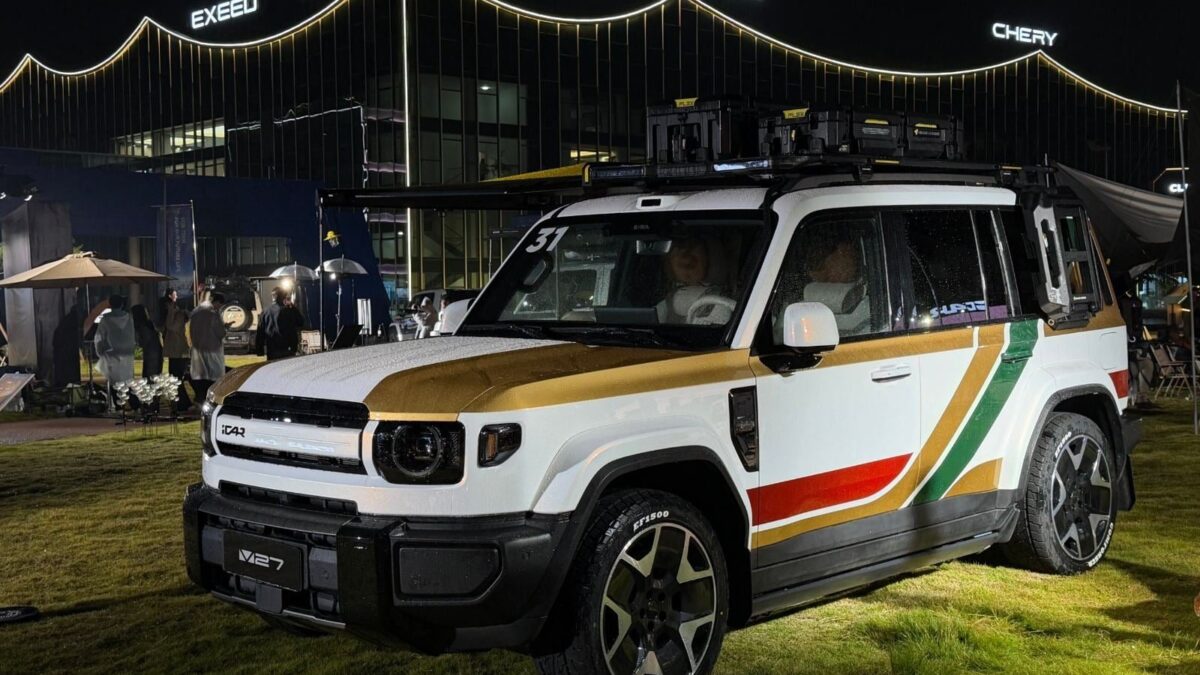
Chery Group’s iCAUR brand has no plans for a ute, a diesel engine or a ladder-frame off-roader. Its senior executives fielded questions on all three at a media round table at Chery’s headquarters in Wuhu, China.
The ute question came up because Chery is already adding one of its own, the Stockman. Ronna Luo, CEO of iCAUR International, left no room for doubt.
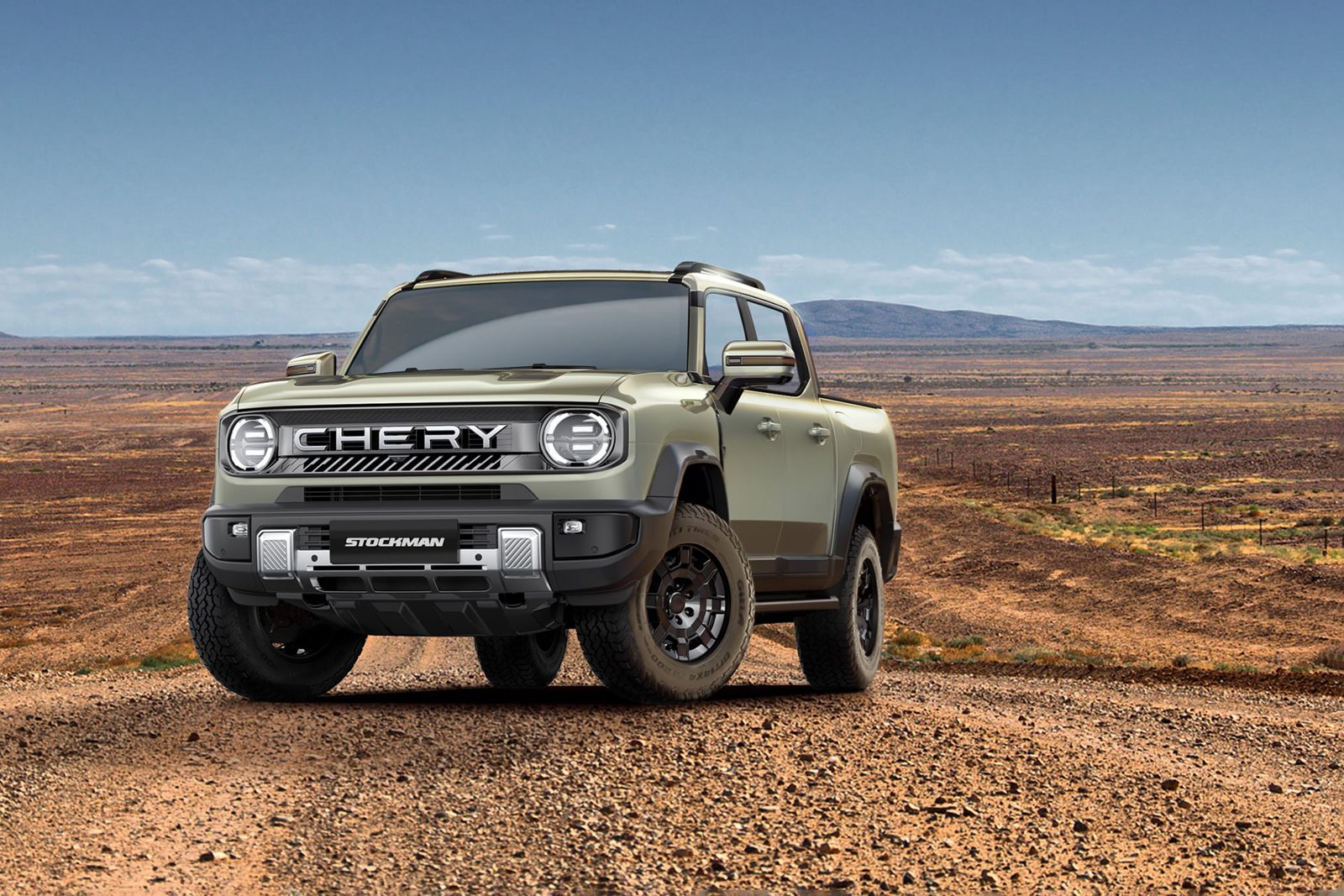
“I don’t want to confuse anyone. We don’t have any pickup or truck in the plan,” she says.
Chief technology officer Ma Yongdong says a ute was looked at in the early stages but lost out to other priorities.
“To be honest, at the beginning we did have pickup planning, but we are one company and the priority has to go to the big-volume models,” he says. “Maybe later we’ll have something bigger, but for now we are focused on the cars that sell in volume.”
Asked whether iCAUR would ever offer a diesel or diesel hybrid for long-distance driving, Luo’s answer was brief: “Definitely no diesel engine.”
Nor will the brand build a separate-chassis four-wheel drive, even though Chery has developed a ladder-frame platform for the Stockman.
“I don’t think we would go in that direction,” says Ma. “We are focused on safety and on everyday driving.”
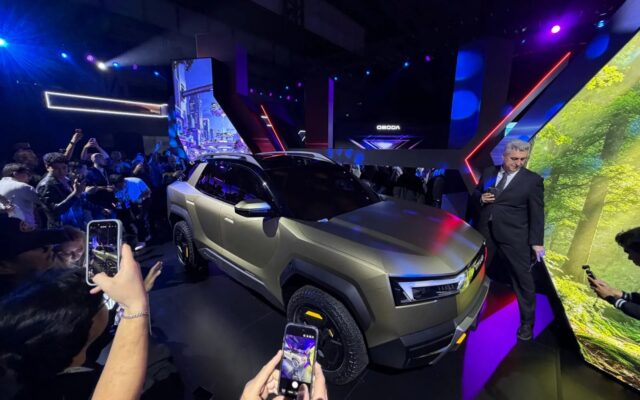
The line-up will stay mostly SUVs, says Luo, and the crossover iCAUR had on display in Wuhu is about as far from that as it plans to go.
“If you walk downstairs you’ll see a crossover, and that’s probably already pushing the limit,” she says. “There’s no plan for a car yet.”
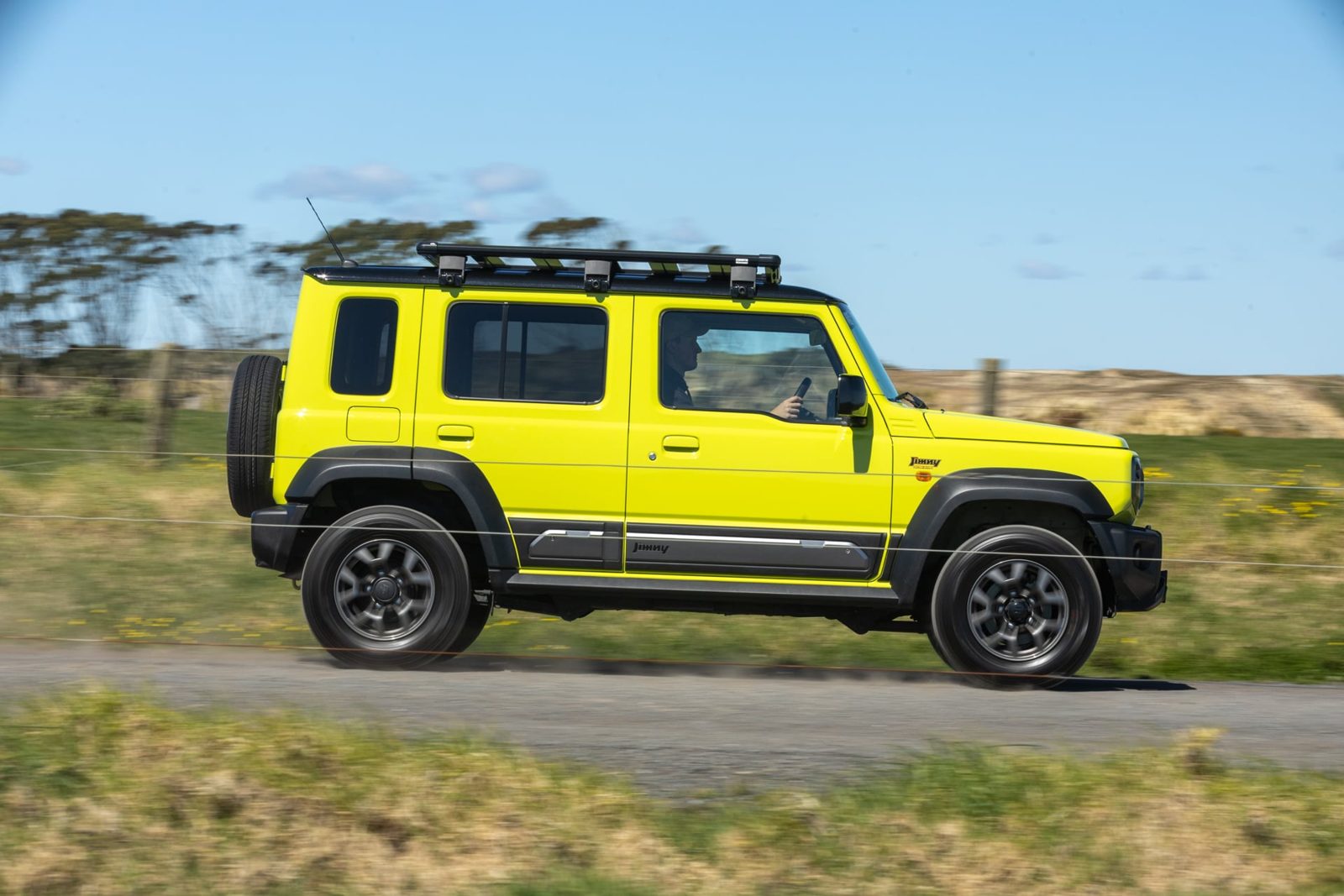
There won’t be anything to rival the Suzuki Jimny at the small end either. Dr Su Jun, the Chery vice president who oversees iCAUR, told us that despite the similar styling, iCAUR won’t build a vehicle that size because it’s too small for the brand’s technology and platforms.
Electric and range extender
Instead of diesel, iCAUR is using battery-electric and range-extender powertrains. In a range extender the petrol engine works only as a generator, so the wheels are always driven electrically, and Ma says that suits owners who split their driving between town and the open road.
“We care about people who travel long distances,” he says. “In the city, over shorter distances, you can drive on pure electric, but on long trips the engine is there to support you.”
Luo says the company studied vehicles such as the Toyota Prado when deciding how to put its cars together, and that is part of why it chose range extenders over plug-in hybrids.
“We are always humble about learning from success stories. The Prado has been very popular in China, and it’s famous for being easy to use, easy to repair and tough,” she says. “One of the big things we learned is not to make the cars too complicated, and not to add things customers don’t need. We use range-extender technology, which is much easier to repair than a plug-in hybrid because the systems are separate, so it’s more economical for owners to repair and maintain. And when you drive our cars you’ll use physical buttons, not buttons on a screen. It’s safe and it’s enjoyable.”
Where it fits in Chery Group
iCAUR is one of several Chery Group brands now sold here or on the way, and the closest to it in character is Jetour. Luo says the two are aimed at different buyers.
“iCAUR is targeting mostly urban individuals who want a car for everyday life, but who sometimes want to explore the boundaries and go on more adventurous journeys,” she says. “Jetour is more on the side of toughness.”

Su puts the difference down to attitude.
“Compared to Jetour, I think we are younger,” he says. “A boxy car is only one kind of car, and we have plans to develop more products.”
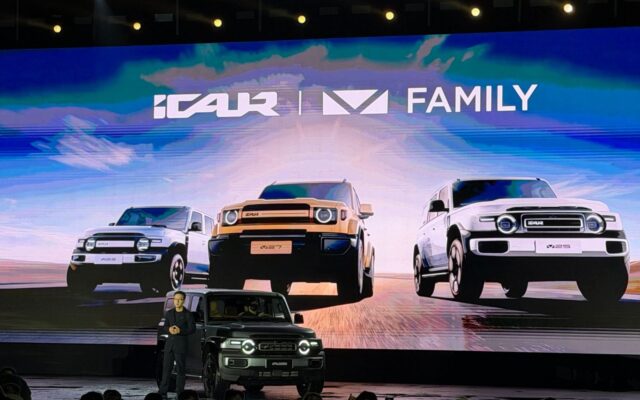
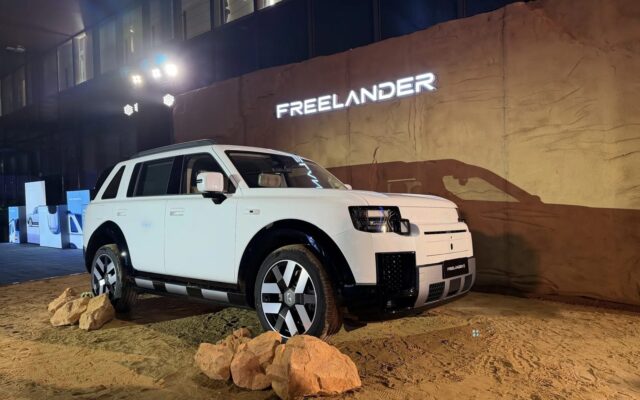
iCAUR will be sold in New Zealand as a premium brand above Chery, with its own sales and service network, and dealer recruitment has started. The first models will be the V23, V25 and V27. Su explains where the brand’s design came from in our interview with him.
Join the conversation