
Kia reveals the PV7: 800-volt electric van with 8.0 cubic metres and nine seats
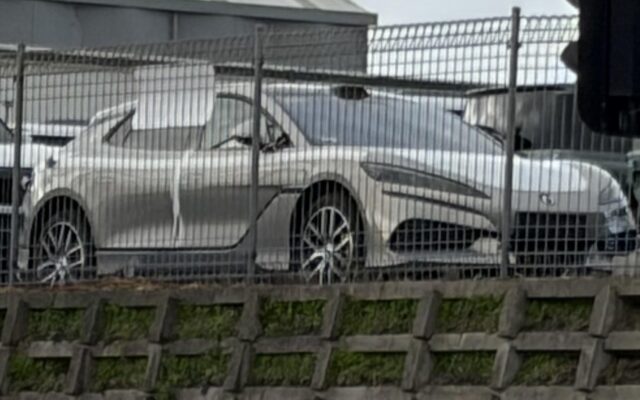
Kia has revealed the PV7 electric van at IAA Transportation with 800-volt charging, up to 96.2kWh of battery, 460km of WLTP range and Cargo and Passenger versions, launching in Korea and Europe in 2027.
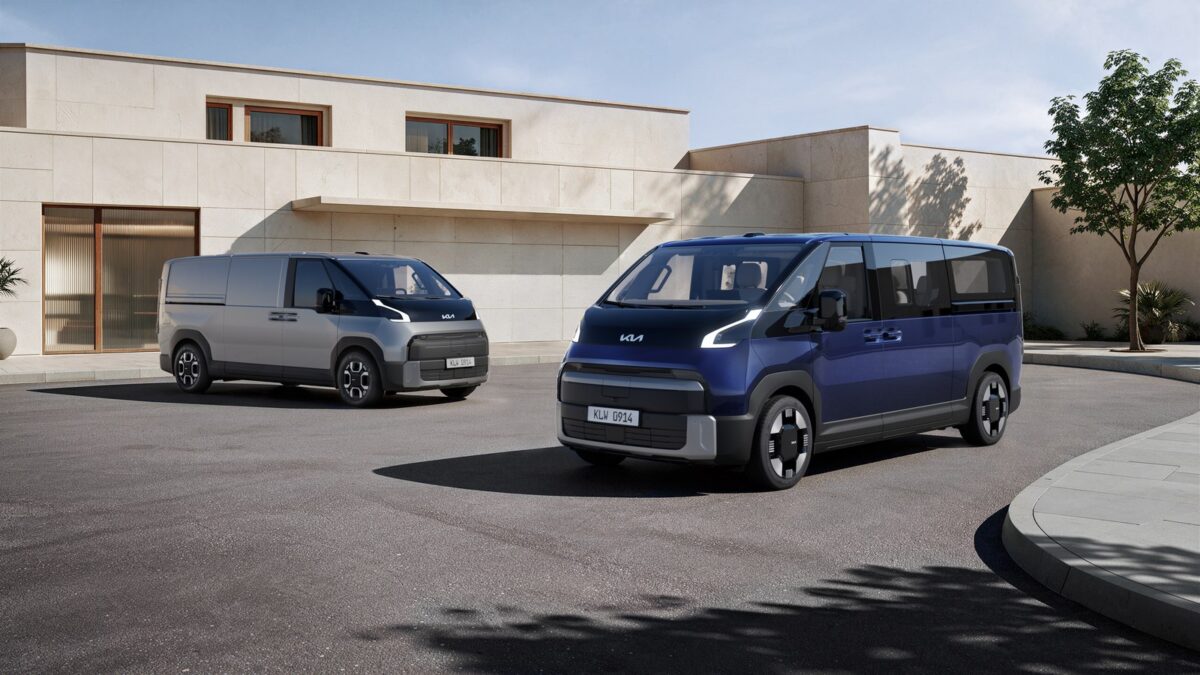
Kia has revealed the PV7, the larger second model in its electric Platform Beyond Vehicle range, at IAA Transportation in Hannover, with an 800-volt architecture, up to 96.2kWh of battery, and Cargo and Passenger versions that step the line-up into the full light commercial segment above the PV5.
Two nickel manganese cobalt battery packs are offered, 71.5kWh and 96.2kWh, driving the front wheels through a motor producing up to 200kW and 420Nm depending on market. All-wheel drive is planned as a later addition. Kia quotes more than 460km of WLTP range for the Long Range Cargo, and the 800-volt system takes the battery from 10 to 80% in the mid-20-minute range on a 350kW charger. In a first for the brand, the PV7 has two charging ports: a front AC/DC port and an optional rear-side AC port for tight depot and kerbside parking.
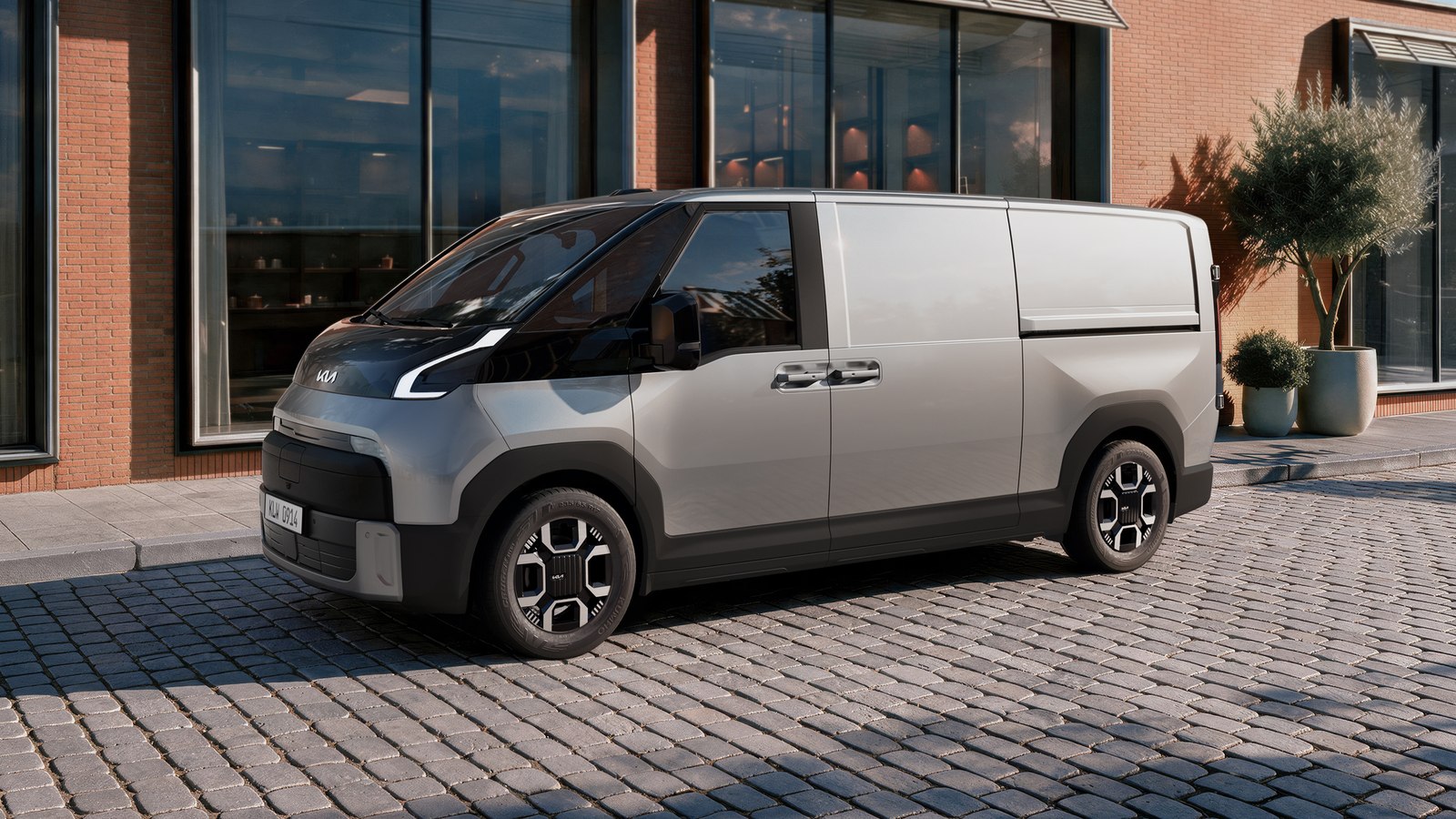
Cargo
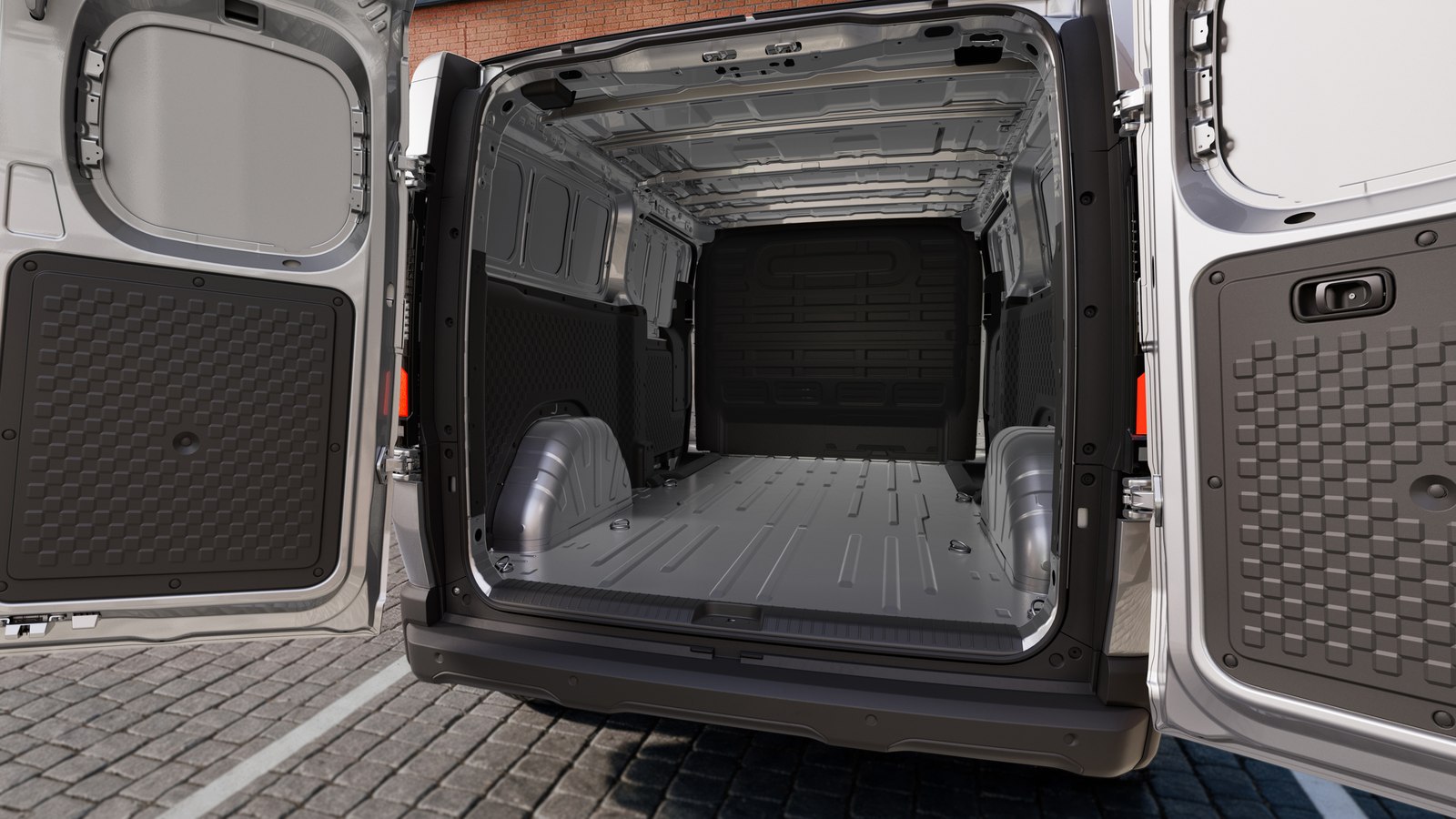
The PV7 Cargo comes in Compact, Long and High Roof forms, with two or three front seats. The Long carries up to 6.1 cubic metres and the High Roof 8.0 cubic metres, with payloads of 1,165kg and 1,200kg for the Long and Compact respectively. A 550mm loading height and space for three Euro pallets are matched by a choice between a full-opening twin-swing tailgate and a conventional lift-up one, a load-through bulkhead, independent cargo-door locking, and a heavy-load driving mode that adjusts the vehicle’s behaviour to its payload. Smart Walk Away closes the power sliding door when the driver leaves with the key, and cargo-door status can be checked remotely.
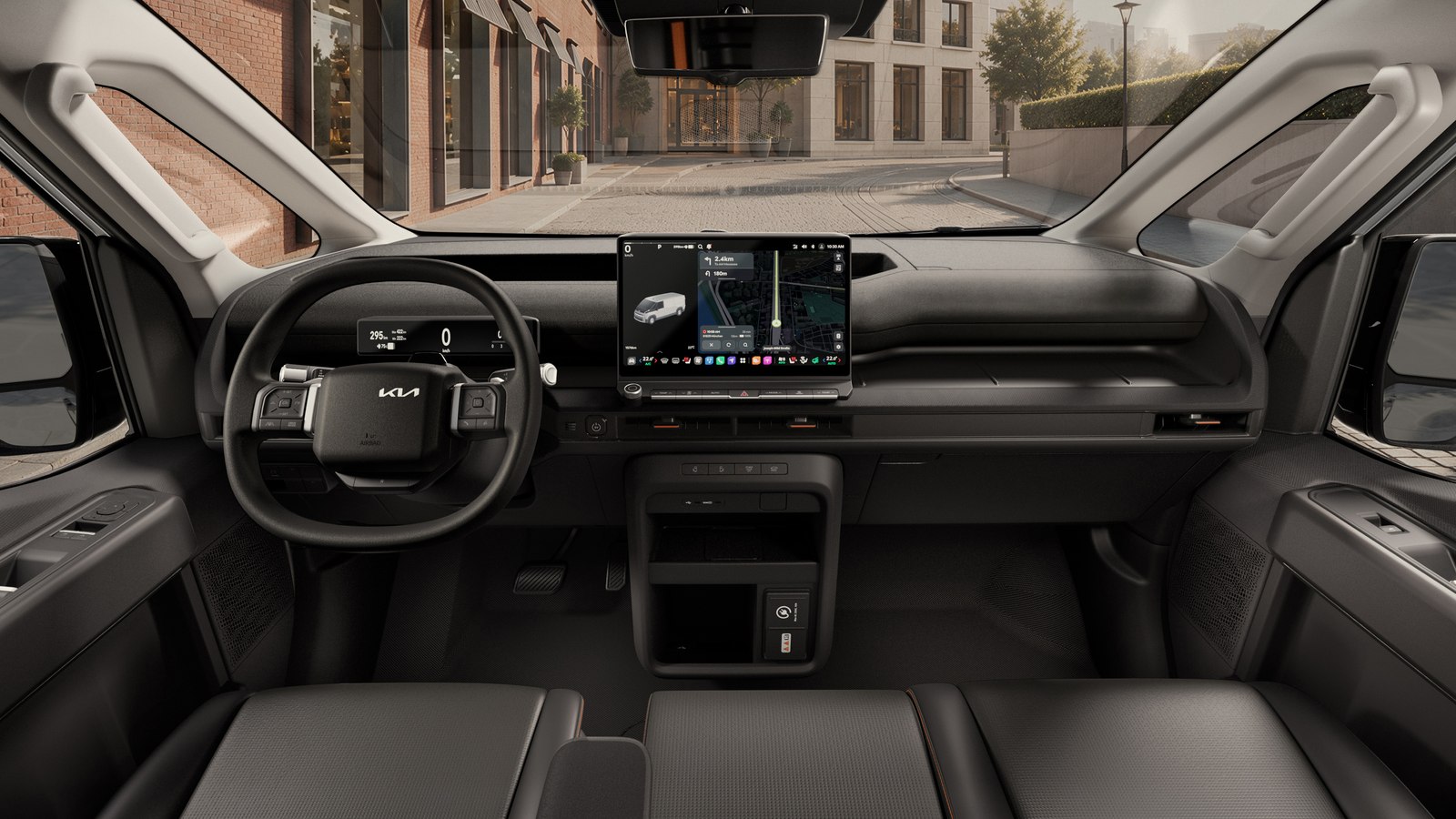
The Cargo’s cabin follows what Kia calls a Mobile Workspace concept, with a layered dashboard, open storage, and on three-seat versions a centre seatback that folds into a tray. Physical controls remain for frequently used functions alongside the Pleos Connect system, which runs on Android Automotive with an app marketplace, over-the-air updates and Kia’s Gleo AI voice assistant, on 12.9-inch and 14.6-inch displays.
Passenger
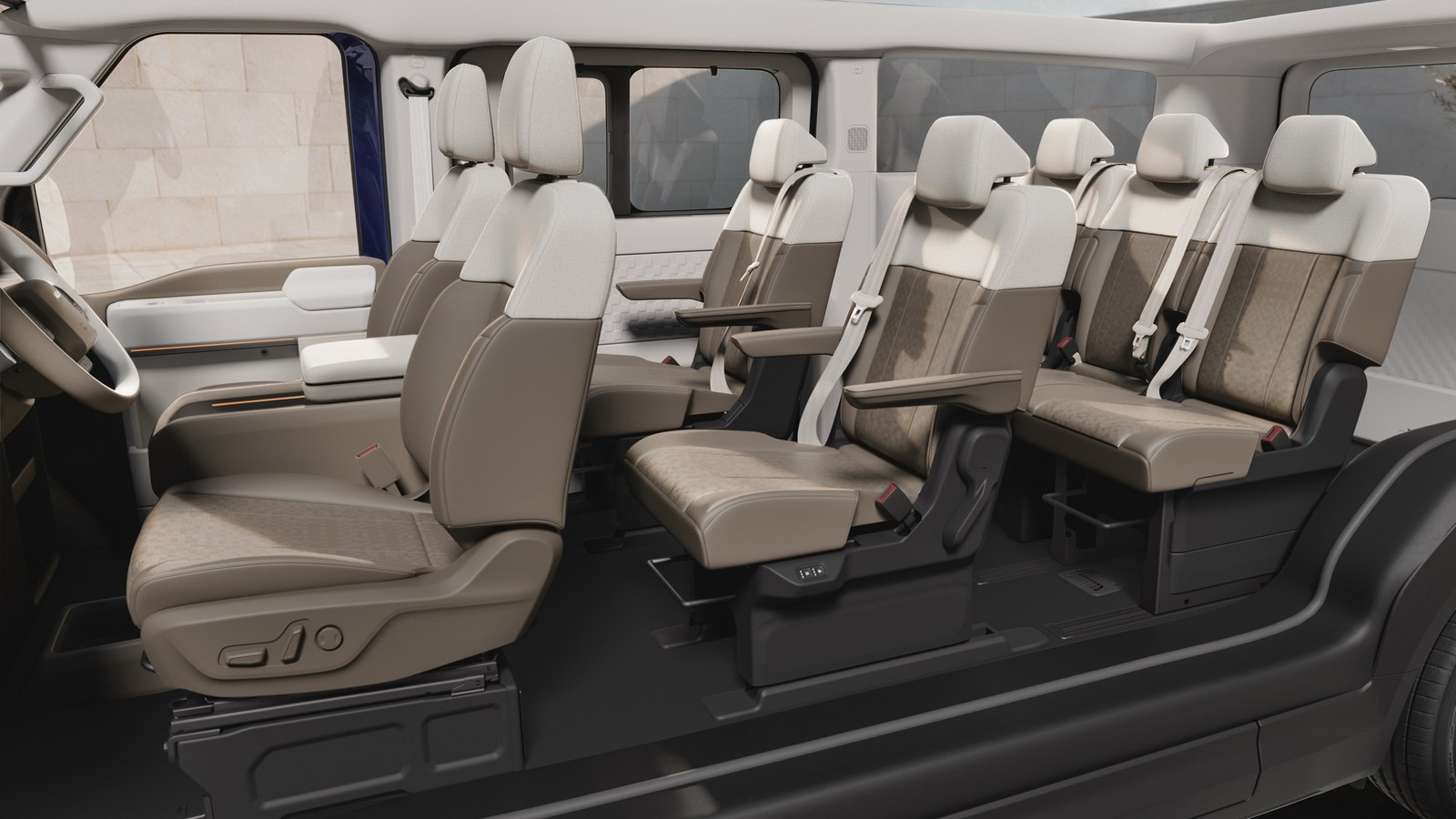
The PV7 Passenger seats up to nine, or 11 in Korea, in Compact and Long lengths. A seven-seat version uses long-rail seats that slide and remove for flexible layouts, and the nine-seater can be had with or without a fourth row. Rear climate controls are roof-mounted, 100W USB-C ports are available, and the cabin takes a lounge-inspired approach with two-tone finishes, ambient lighting, enclosed storage and an optional centre console that doubles as a table. Power sliding rear doors are available.
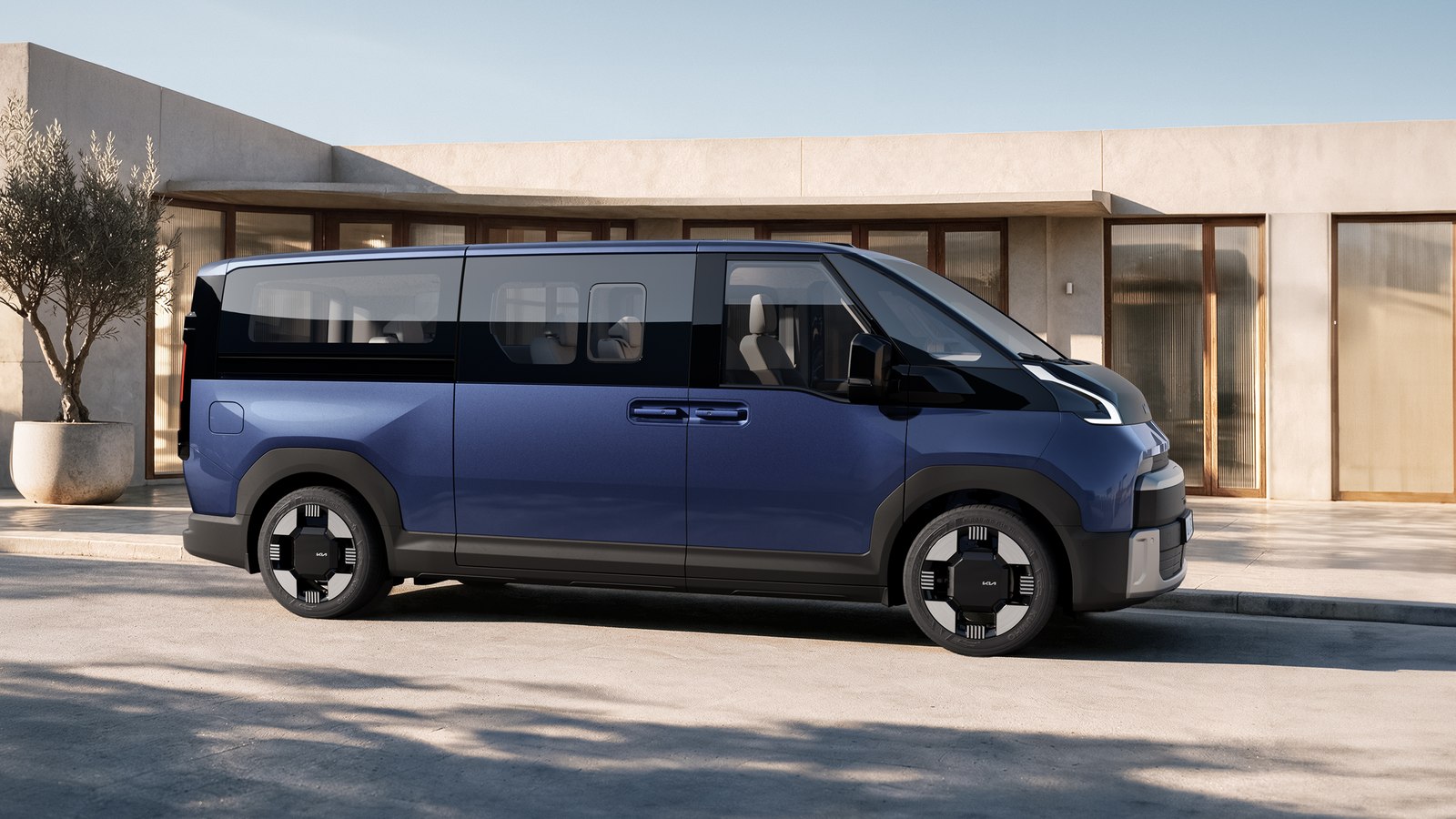
Both versions carry vehicle-to-load through interior and exterior outlets, seven airbags including a roof-mounted front passenger airbag, and Kia’s driver assistance suite with Highway Driving Assist 2.0, remote parking and a built-in dash camera. Pedal Misapplication Safety Assist 2.0 is fitted to guard against unintended acceleration. Replaceable bumper corners, wheel-arch sections and door cladding are designed to simplify repairs.
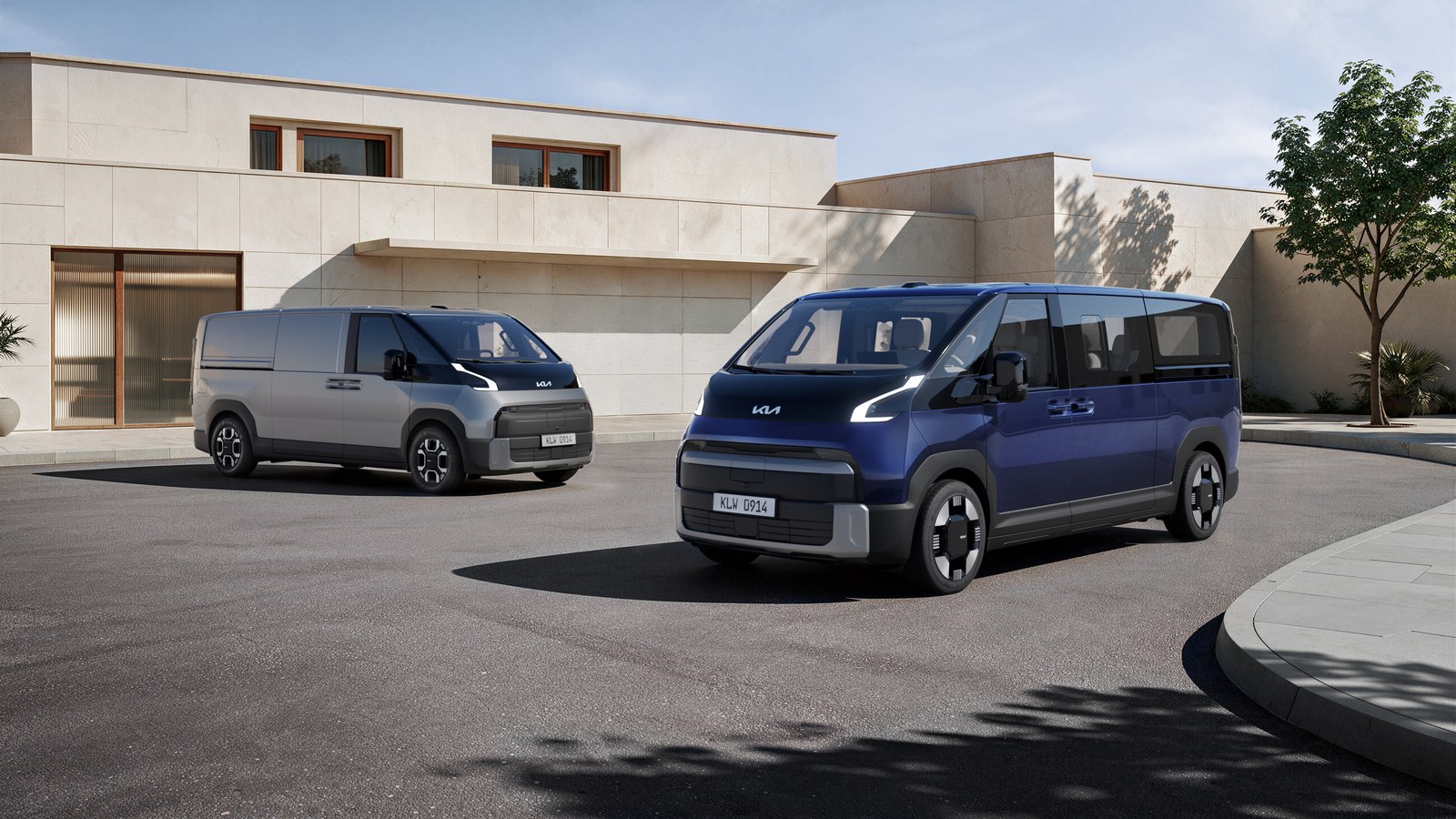
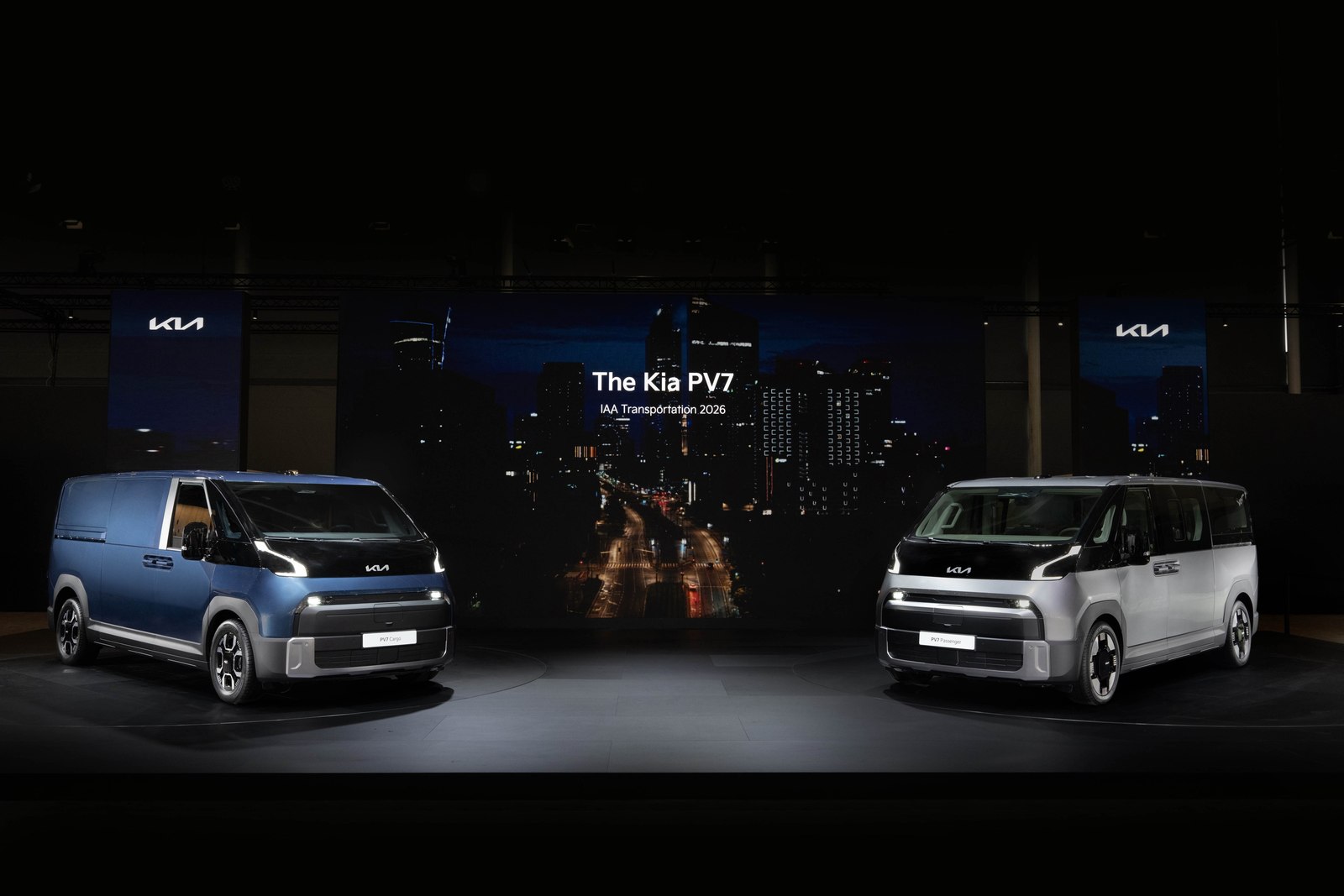
Kia plans 23 PV7 variants including a chassis cab and a range of conversions, with a PV9 to follow in 2029. The PV7 launches in Korea and Europe in the second half of 2027, with other markets to follow. Kia’s Hannover stand, open from 15 to 20 September, shows three PV7s alongside seven PV5 derivatives including a wheelchair-accessible vehicle, chassis cab and food truck.
New Zealand timing has not been announced. The PV5 launches here this quarter as the reigning International Van of the Year, and the PV7 would arrive into a segment where Ford’s $58,990 Transit City lands in January. EVs and Beyond has reached out to Kia New Zealand for further details, and the PV7 was teased for Hannover a fortnight ago.

Join the conversation