
Questions raised over Ardern’s comments on EV purchasing
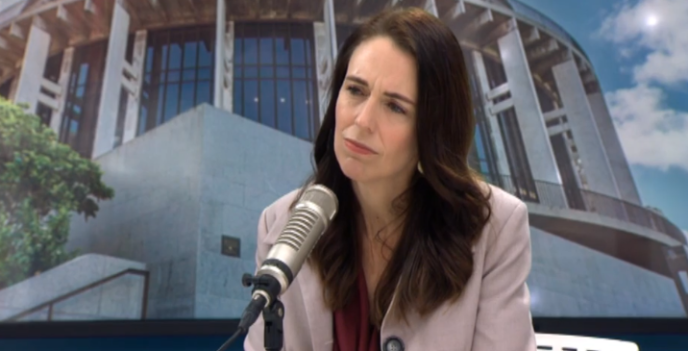
Heads of distributors are fuming over comments on television on June 14 from prime minister Jacinda Ardern.

In an interview on TV3’s The AM Show, Ardern discussed the new EV incentives and ‘feebate’ scheme.
When pressed on the availability of utes she commented:
“Within the next – we are hoping the next 12-24 months – the likes of Toyota are talking about bringing in EV utes. My hope is then people might delay their purchase in order to start building a market in New Zealand where you can access those sorts of vehicles.”
The comment raised alarm bells with new vehicle distributors, both from the aspect of the prime minister incorrectly recommending a vehicle from one specific brand – that does not necessarily exist – but also in suggesting people delay their purchases.
Toyota New Zealand chief executive Neeraj Lala confirms there is no battery electric Hilux coming in the next 12-24 months.
“That is simply not true, I am not sure where she is getting her information,” Lala says. “We have at no point intimated a full battery electric Hilux is coming in the next 12-24 months.”
Instead a hybrid, which will not receive the full subsidy, is possibly coming.
“Over the next two year window we will move towards an ‘electrified’ hybrid version of the Hilux.”
“We have tried really hard to communicate the product lifecycle to officials and minsters.”
In a statement, Motor Industry Association chief executive David Crawford noted manufacturers of current popular makes of utes have confirmed they will not have battery electric (BEV) utes of their brands coming to the market in the next 12 to 24 months.
The exception is challenger-brand LDV which is aiming to get one here as soon as possible.
Crawford says there are a range of BEV vans on the market now and we expect more models will become available in the next 12 to 24 months.
“Speculation by ministers of when models are coming to the market is unhelpful and potentially misleading. At worst it becomes a death knell to business continuity.”



Join the conversation