
Used EVS the best
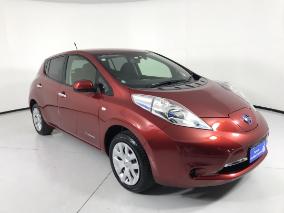
Used electric vehicles are now the most cost competitive among all vehicle types, according to a newly released New Zealand-led report.
However, new EVs are the least cost competitive across all scenarios, mainly due to their high upfront cost, says research published in ScienceDirect.
The report suggests decreasing electricity prices and discounting rates would make EVs less costly to use.
Replacing an internal combustion engine (ICE) vehicle with an EV could in principle reduce emissions by 87% to 90%, it adds.
Study findings include the per kilometre cost of ownership (PCO) for a used EV is the lowest (25.5 cents) followed by the PCO for a used petrol-powered car (31.5 cents) based on a 12-year period.
That contributes to EVs being a major step towards achieving net zero CO2 emissions by 2050, the report suggests.
But EV uptake hasn’t been increasing quickly in New Zealand with figures released for last year showing more than 24,000 EVs registered – well short of a 32,000 target towards getting 64,000 EVs (National-led government 2016 projection) on our roads by the end of this year.
In fact, a study by Dr Colin Herron shows the final target figure might not be reached until late 2023 or early 2024 unless significant changes occur.
The Labour-led government’s latest proposals and Climate Change Commission draft advice suggest a raft of measures to help EV uptake, including further consideration of a “feebate” scheme.
The average age of a light vehicle here in 2018 was 14.09 years – making it among the oldest in OECD countries – but no study had been done to calculate the PCO for old used cars, the study adding EV uptake in New Zealand has been “insignificant”.
The study rates challenges including a new EV’s high initial purchase price, insufficient public EV charging infrastructure, lack of financial incentives for EV purchase, the ineffectiveness of the New Zealand Emissions Trading Scheme, and flexible emissions standards for fossil-fuelled cars.
“Moreover, the costs and mitigation potential of using EVs in New Zealand as substitutes for fossil-fuelled cars are not clear to policy makers, vehicle manufacturers/importers, and consumers.”
The study suggests households, including lower-income ones, would be advantaged by switching to a used EV, possibly saving a family up to about $7000 a year in fuel costs alone.


Join the conversation