
Emission reduction measures announced
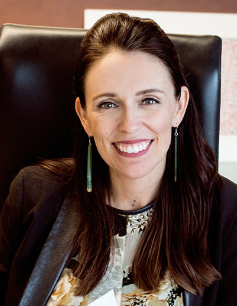
A ‘Clean Car Import Standard’ to reduce emissions and Kiwis’ fuel costs will be passed this year and the standard start next year.
That’s among a raft of measures planned by the government to help meet New Zealand’s 2050 carbon neutral target, create new jobs and boost innovation – newly announced by prime minister Jacinda Ardern, transport minister Michael Wood and climate change minister James Shaw.
These include only purchasing zero emissions public transport buses from 2025, ensuring the entire public transport bus fleet is decarbonised by 2035, and to mandate a lower emitting biofuel blend across the transport sector.
“This will be an ongoing area of action but we are moving now to implement key election promises. We will receive further advice and recommendations mid-year from the Climate Commission but we are cracking on with this work now,” Ardern says.
“Transport makes up our second highest amount of emissions after agriculture, so it’s important we reduce emissions from our vehicle fleet.
“Tackling climate change is a priority for the Government and remains a core part of our COVID recovery plan. We can create jobs and economic opportunities while reducing our emissions, so it’s win-win for our economy and climate.”
Ardern says the government will be finalising its first three carbon budgets later this year following advice from the independent Climate Change Commission, which the government receives mid-year.
“The commission’s advice is likely to ask a lot of all of us and require action in all sectors. Today’s announcement is a good step towards what needs to be done,” Ardern adds.
Wood says progress on reducing emissions is being made by investing significantly more in public transport, rail, costal shipping and walking and cycling.
“But there is more to do.”
“Our government has agreed in principle to mandate a lower emitting biofuel blend across the transport sector. Over time this will prevent hundreds of thousands of tonnes of emissions from cars, trucks, trains, ships and planes,” Wood says.
“Officials will consult with the public and stakeholders to help the Government decide on a way forward before the end of the year.”
The government is committing $50 million towards helping councils fully decarbonise the public transport bus fleet by 2035.
“By meeting our target to decarbonise the bus fleet, we can prevent up to 4.5 million tonnes of CO2 emissions, which will make an important contribution towards meeting our climate targets,” Wood says.
“We’re moving quickly to introduce a Clean Car Import Standard to reduce emissions and Kiwis’ fuel costs. Legislation will be passed this year and the standard will begin next year, with the 105 grams of CO2/km 2025 target being phased in through annual targets that get progressively lower to give importers time to adjust.”
The standard will prevent up to three million tonnes of emissions by 2040, mean more climate-friendly cars are available, and will give families average lifetime fuel savings of nearly $7000 per vehicle, Wood says.
“The government will also consider options for an incentive scheme to help Kiwis make the switch to clean cars.”
Further announcements on its plan to reduce transport emissions will be made in coming months, Wood adds.
Shaw says the announcement is a good first step that needs to be taken on the road towards long-term emissions reductions from transport.
“The window of opportunity we have to address the climate crisis is closing fast. Reducing emissions from transport will need to be a priority if we are to meet our targets and make sure New Zealand plays its part in keeping the climate stable,” he says.
“For decades governments allowed emissions from transport to increase unabated. Today we begin the work to change that,” says Shaw who acknowledges the work of former associate transport minister Julie Anne Genter.
Shaw says the measures also help advance the commitments in the cooperation agreement between Labour and the Green Party to decarbonise public transport and to introduce a clean car standard.


Join the conversation