
NZ ban on new ICE passenger vehicle sales suggested from 2035
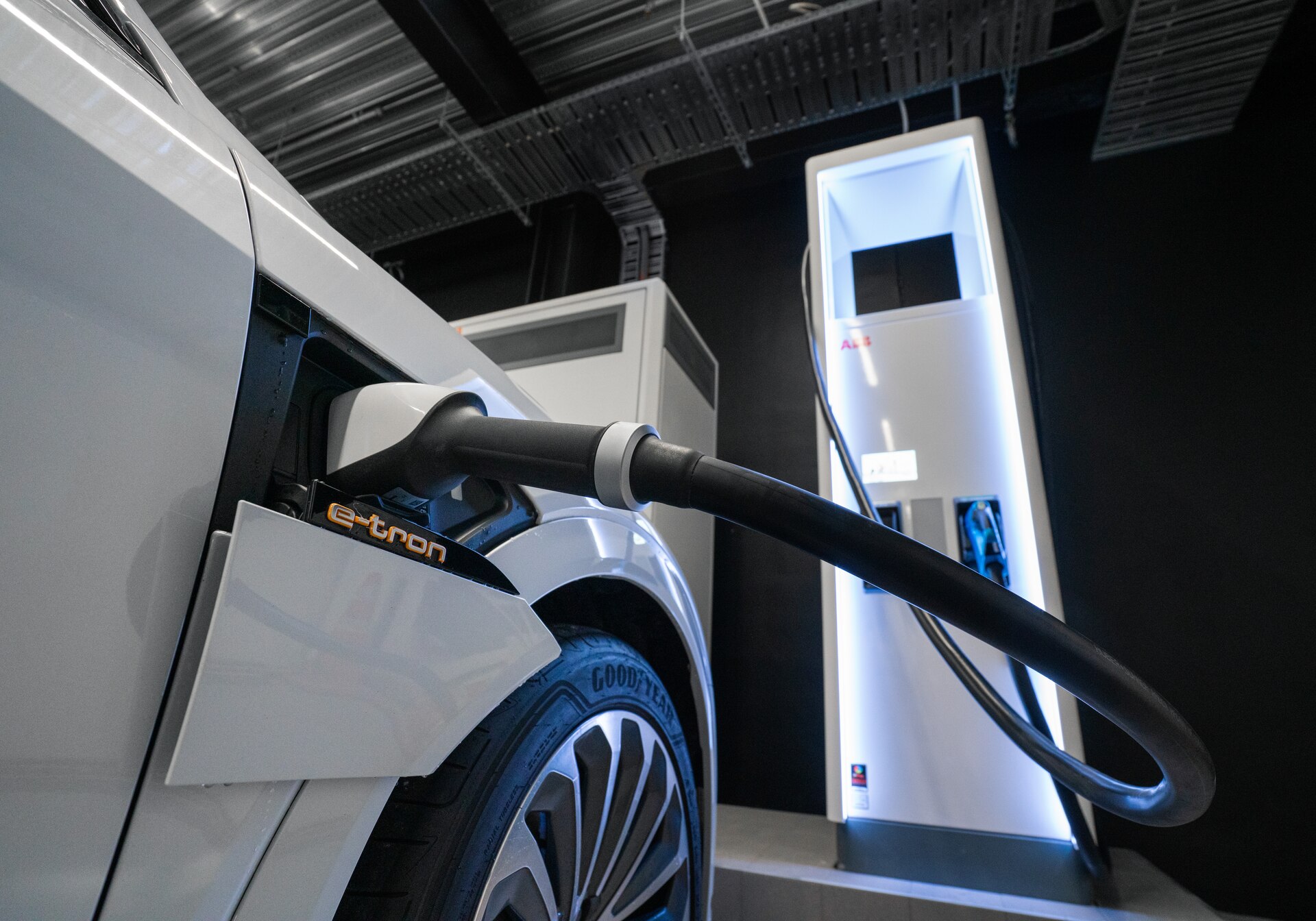
A sales ban on new internal combustion engine (ICE) passenger vehicles in New Zealand is proposed from at least 2035.
So says a newly released study by Concept Consulting and Retyna which adds that more rapid EV uptake could save Kiwis $15 billion in vehicle, fuel and carbon emission costs by 2050.
The study indicates an appropriate date for an ICE ban for sales of new petrol and diesel passenger vehicles should be no later than 2035, and probably earlier subject to further analysis.
Such bans are increasingly being put in place by overseas countries on the grounds that not to do so would compromise their ability to meet their climate commitments, the study says.
“In this vein, the key right-hand drive market of the UK recently brought forward its ban to 2030, and Japan has introduced a 2035 ban.
“Without such a policy, New Zealand risks missing its own targets, and being a petrol and diesel vehicle ‘dumping ground’ for manufacturers wishing to sell their remaining stock, thereby locking-in higher emissions for New Zealand over the 20-year average lifetime of a vehicle in New Zealand.”
Concept Consulting director Simon Coates says given New Zealand’s low-cost renewable electricity resources, the environmental and economic gains from its EV uptake should be among the greatest in the world.
However, the study finds that our lack of policies to overcome the significant barriers facing EV uptake is resulting in New Zealand falling substantially behind overseas markets such as Europe.
The two consultancies say the economic opportunity lies in EVs already being cost-effective for some New Zealand households and businesses who drive longer distances each year.
“At the current rate of cost and performance improvements they should be economic for the vast majority of New Zealanders purchasing a new vehicle within a few years.”
The imperative is because ICE vehicles are a major source of emissions, and without accelerated EV uptake it will be substantially harder for New Zealand to meet its climate change commitments.
Through faster EV uptake New Zealanders could save $10b in vehicle and fuel costs out to 2050, with a further $5b reduction in carbon costs.
Drawing upon overseas experiences, complemented with New Zealand-specific modelling, the study identifies three core policy measures to deliver the rates of EV uptake required, including the suggested ICE ban.
Two of them were proposed, but not implemented, by the last coalition government:
These include a Fleet Emissions Standard (referred to as a ‘Clean Car Standard’ in the 2019 proposal) which requires vehicle importers to supply vehicles whose average emissions across the fleet are below a target, backed up by a financial penalty for falling short.
A ‘Feebate’ scheme (referred to as a ‘Clean Car Discount’ in the 2019 proposal) which offers discounts for low-emission vehicles funded from increases in the purchase price of high emissions vehicles.
The study identifies that implementing these complementary policies together will maximise their collective effectiveness and deliver the greatest benefit to New Zealand.
While most attention has been on light vehicles, the study finds that a similar suite of policies are required for trucks – the fastest growing source of our vehicle emissions, and a contributor to the $15b modelled benefit from faster EV uptake.
The study reflects the views and analysis of Concept and Retyna and was funded by 15 companies and organisations from across the electricity and motor vehicle industries.
Concept Consulting Group has been providing high-quality advice and analysis for more than 20 years with its roots in the electricity sector and now covering the wider energy sector, plus environmental and resource economics.
Retyna is a specialist consultancy focusing on EVs and renewable energy for transport whose managing director Elizabeth ‘Liz’ Yeaman, was previously the Energy Efficiency and Conservation Authority transport general manager and led the set up and delivery of EECA’s EV programme. She has worked in the renewable energy and transport fields for more than 25 years.


Join the conversation